
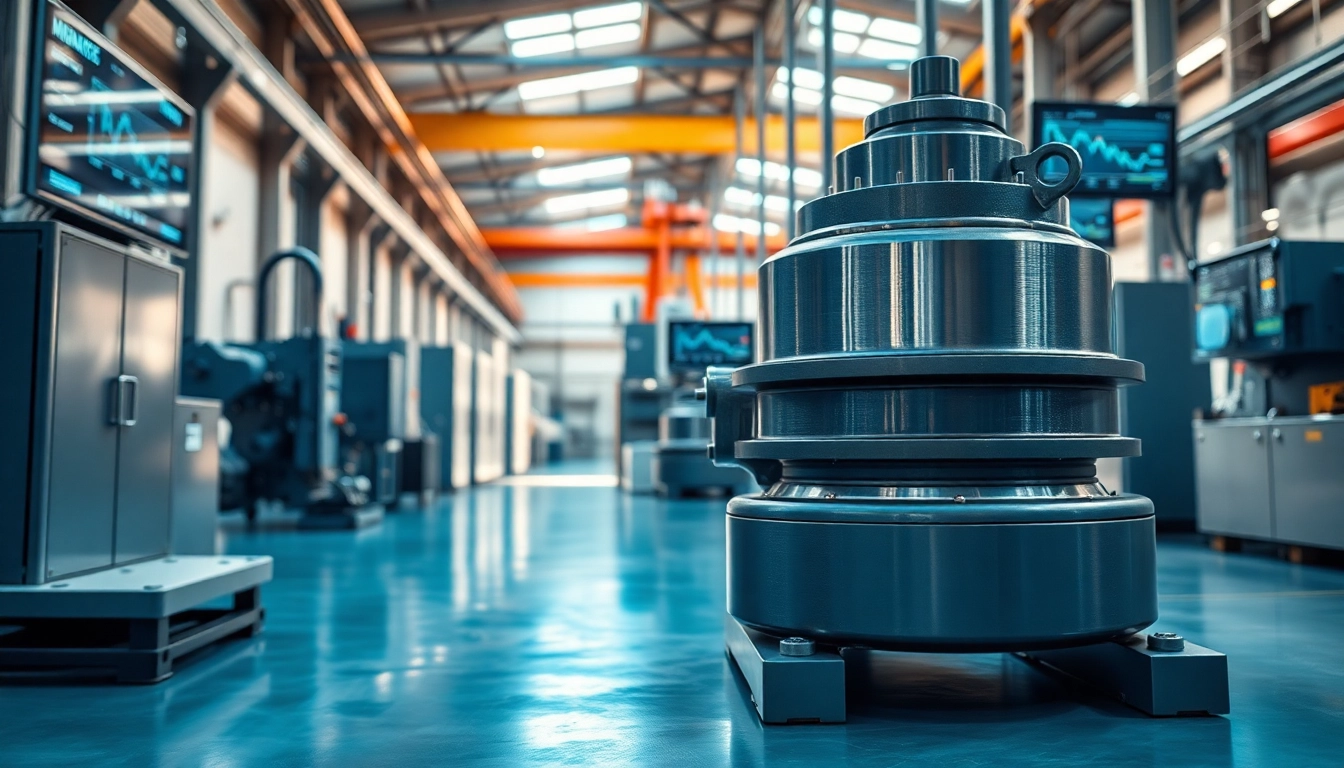

Understanding Vibration Control
Vibration is a common occurrence in various settings, from industrial machinery to musical instruments. Effectively managing and controlling these vibrations is crucial for ensuring safety, efficiency, and performance across numerous applications. One of the most critical aspects of this discipline is Vibration Control, which encompasses a range of techniques and solutions designed to mitigate the detrimental effects of unwanted vibrations.
The Importance of Vibration Control
Vibration control is vital in maintaining the integrity and functionality of machinery and structures. Excessive vibrations can lead to wear and tear, equipment failure, and even catastrophic accidents. In fields such as aerospace, automotive, and manufacturing, controlling vibrations can enhance product quality, extend the lifespan of equipment, and reduce maintenance costs. Moreover, effective vibration control contributes to a safer working environment, helping to minimize the risks associated with accidents caused by structural failures.
Key Concepts in Vibration Control Technology
To grasp the complexities of vibration control, one must familiarize themselves with several key concepts:
- Natural Frequency: Every mechanical system has a natural frequency at which it tends to vibrate when disturbed. Understanding this frequency is crucial for effective vibration control.
- Damping: Damping refers to the process of dissipating energy from a vibrating system, thereby reducing the amplitude of vibrations. There are different forms of damping, including viscous, hysteretic, and Coulomb damping.
- Resonance: When an external force matches the natural frequency of a system, resonance occurs, resulting in amplified vibrations. Avoiding resonance is a key goal in vibration control.
Common Sources of Vibration
Vibration originates from numerous sources, including:
- Mechanical Equipment: Motors, pumps, fans, and compressors can generate significant vibrations due to imbalances, misalignments, or wear.
- Environmental Factors: Natural events like earthquakes, wind, or heavy traffic can lead to vibrations affecting buildings and structures.
- Human Activity: Construction work, demolition, and even foot traffic can introduce vibrations into the environment.
Types of Vibration Control Solutions
Vibration control solutions can generally be classified into three categories: passive, active, and hybrid systems.
Passive Vibration Control Systems
Passive vibration control systems utilize materials and designs to absorb and damp vibrations without any external power source. These systems rely on the inherent properties of materials, like mass, stiffness, and damping capabilities. Common examples include:
- Vibration Isolation Mounts: These mounts, made of rubber or other elastomeric materials, absorb vibrations to protect sensitive equipment.
- Mass Dampers: Large masses are strategically placed in a structure to counteract vibrations, often used in skyscrapers to reduce sway.
Active Vibration Control Techniques
Active vibration control involves the use of sensors and actuators to dynamically counteract vibrations. By continuously measuring vibrations and applying forces to negate them, active systems adapt to changing conditions. Key components include:
- Accelerometers: These sensors detect vibrations, providing real-time feedback to the control system.
- Actuators: Devices that apply forces to a structure or piece of equipment to counteract vibrations. They can be hydraulic, pneumatic, or electromagnetic.
Hybrid Approaches to Vibration Control
Hybrid systems combine the advantages of both passive and active control methods, offering enhanced flexibility and performance. By integrating passive components, such as isolation mounts, with active control technology, these systems can effectively manage a broader range of vibration scenarios. Hybrid solutions can significantly improve the overall effectiveness and reliability of vibration control systems, making them increasingly popular across industries.
Implementation of Vibration Control Systems
Deploying vibration control systems necessitates a well-planned and systematic approach to ensure optimal performance.
Assessing Vibration Control Needs
The first step is to assess the vibration control needs specific to the application or environment. This involves analyzing the sources of vibrations, understanding the types of equipment affected, and evaluating potential impacts. Key considerations include:
- Frequency Range: Identify the frequency ranges of concern and whether passive or active solutions are more suitable.
- Environment: Take into account environmental factors that could influence vibration, such as temperature and humidity.
Installation Best Practices
Proper installation is crucial for the effectiveness of any vibration control system. Recommended practices include:
- Precise Alignment: Ensuring that equipment is correctly aligned can prevent imbalances that lead to increased vibrations.
- Solid Foundation: Installing vibration control systems on a solid foundation to minimize external influences.
Maintenance for Long-lasting Vibration Control
Regular maintenance is essential to maintain the effectiveness of vibration control systems. This includes:
- Routine Inspections: Regularly examine components for wear, misalignment, or damage.
- Performance Testing: Periodically test the vibration levels to ensure the system is functioning as intended.
Case Studies in Vibration Control
Learning from real-world applications provides valuable insights into successful vibration control strategies.
Successful Industrial Applications
Numerous industries have successfully implemented vibration control solutions. For instance, in the automotive sector, manufacturers use advanced vibration testing and control techniques during the design process to minimize noise and enhance ride quality. Another example includes the use of mass dampers in high-rise buildings in earthquake-prone areas, which have demonstrated remarkable resilience.
Lessons Learned from Failure Cases
Not all implementations are successful. Some projects fail due to inadequate assessment of vibration sources or improper installation. These failures highlight the importance of thorough planning, accurate data collection, and involving experienced professionals in the configuration process.
Future Prospects and Innovations
The field of vibration control is continuously evolving, with exciting innovations on the horizon. Emerging technologies such as artificial intelligence and machine learning are set to optimize the performance of active control systems by enhancing diagnostics and predictive capabilities. The trend toward smart materials that can adapt to varying conditions also promises to revolutionize the industry, making vibration control more efficient and effective.
Measuring the Effectiveness of Vibration Control
Once vibration control systems are in place, it is crucial to consistently measure their effectiveness for continuous operation.
Metrics for Evaluating Performance
Performance metrics are essential for assessing the efficiency of vibration control systems. Common metrics include:
- Root Mean Square (RMS) Value: Provides an average measure of the vibration level over time.
- Peak-to-Peak Value: Measures the difference between the maximum and minimum values in a vibration signal.
Tools and Equipment for Measurement
Several tools are employed for measuring vibrations effectively. These include:
- Vibration Analyzers: Devices designed to measure and analyze vibration in machinery.
- Data Acquisition Systems: Used for recording and analyzing vibration data over time, providing insights into trends and performance.
Continuous Improvement Strategies
Implementing ongoing improvement strategies is vital for maintaining optimal performance of vibration control systems. Regularly updating technology, continuing education for staff, and staying abreast of industry trends can help organizations enhance their vibration control measures and adapt to new challenges effectively.
FAQs About Vibration Control
What is vibration control?
Vibration control involves techniques and solutions designed to reduce or eliminate unwanted vibrations in structures or machinery, enhancing safety and performance.
Why is vibration control important?
Effective vibration control helps prevent damage, improves equipment lifespan, reduces maintenance costs, and enhances operational safety in various industries.
What are the types of vibration control systems?
Vibration control systems are typically classified into passive, active, and hybrid types, each with unique methods and applications for managing vibrations.
How do I know if I need vibration control?
Assess your environment for excessive vibrations that could damage equipment or affect safety. A thorough analysis can determine the need for vibration control solutions.
What maintenance is required for vibration control systems?
Regular inspections, performance testing, and prompt repairs are essential for maintaining the effectiveness and longevity of vibration control systems.