
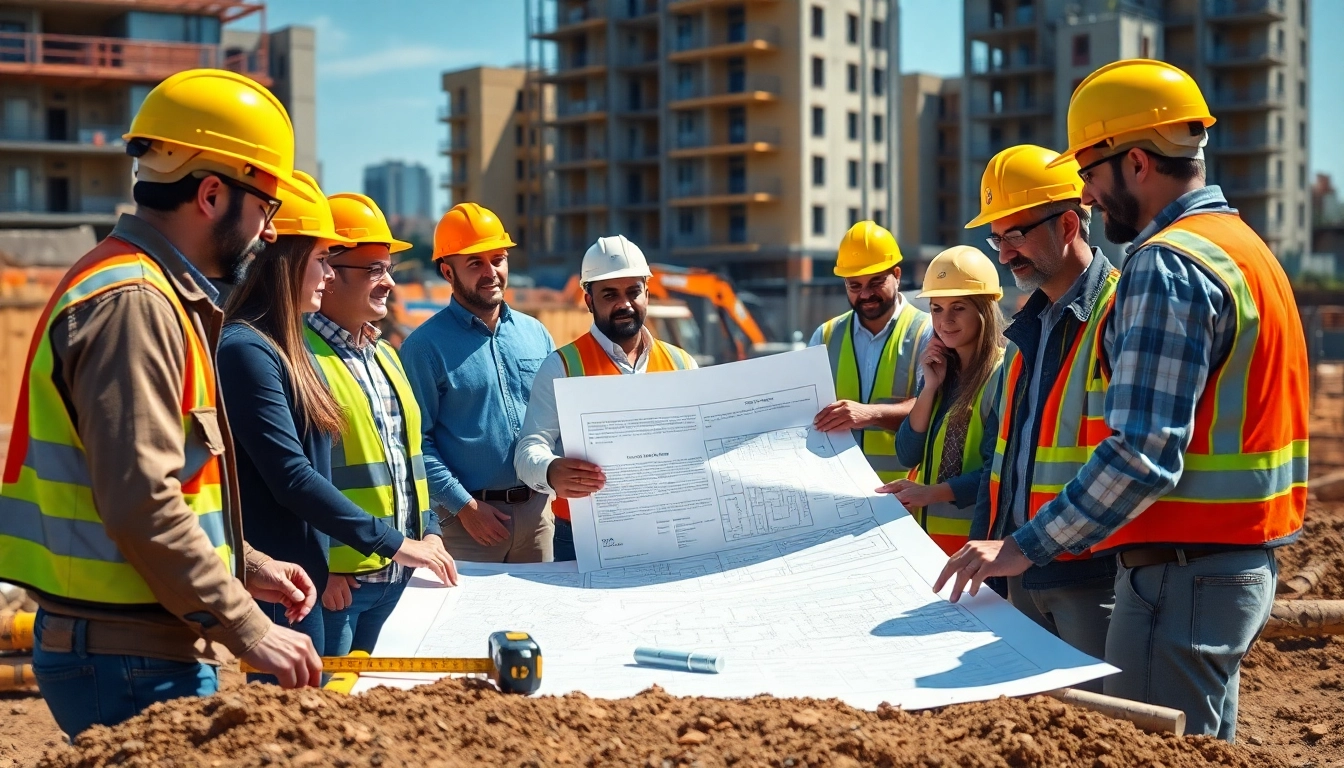

Understanding Construction Advocacy
Definition and Importance
Construction advocacy refers to the efforts made by individuals and organizations to influence policies, regulations, and practices within the construction industry. This advocacy seeks to create an environment conducive to sustainable development, safety, and efficiency in construction processes. It plays a crucial role in ensuring that the voices of stakeholders—including contractors, builders, and community members—are heard in decision-making forums. Effective construction advocacy helps align construction activities with the needs of the community, making it vital for both local and national development.
Key Players Involved
Several key players engage in construction advocacy, contributing their expertise and perspectives to shape the industry. These include:
- Trade Associations: Organizations representing various construction segments advocate for member interests at local, state, and national levels.
- Government Officials: Policymakers and regulators are essential in shaping laws that govern construction practices.
- Community Organizations: Local groups provide insights into community needs and concerns related to construction projects.
- Environmental Advocates: These individuals focus on ensuring that construction practices align with environmental sustainability goals.
- Professionals and Experts: Architects, engineers, and construction managers lend their expertise to influence best practices in the industry.
Goals of Construction Advocacy
The primary goals of construction advocacy include promoting responsible construction practices, ensuring compliance with safety standards, and enhancing community engagement in construction projects. Advocates also aim to influence public policy for better infrastructure development, foster economic growth through job creation, and encourage innovations in construction technology. Ultimately, the objective is to create a balanced approach that benefits all stakeholders, including the environment.
Benefits of Construction Advocacy
Community Development
Effective construction advocacy plays an essential role in community development by ensuring that construction projects meet the needs of local residents. Advocacy leads to greater transparency in project planning and execution, allowing community voices to be heard. This process can foster collaboration between community members and developers, ultimately leading to better outcomes, such as parks, community centers, and affordable housing.
Economic Growth
Construction advocacy also contributes to economic growth by supporting infrastructure projects that create jobs and stimulate local economies. By lobbying for funding and favorable regulations, advocates can help generate employment opportunities in both the construction sector and related industries. This growth is especially beneficial in regions facing economic decline or high unemployment rates.
Sustainability Practices
In today’s context, construction advocacy is increasingly focused on sustainable practices. Advocates work to promote green building techniques, energy-efficient materials, and sustainable resource management. These initiatives not only protect the environment but also reduce long-term costs for developers and taxpayers. By championing sustainable practices, construction advocates ensure that the industry evolves to meet the challenges of climate change and resource scarcity.
Challenges Facing Construction Advocacy
Regulatory Hurdles
One of the significant challenges facing construction advocacy is navigating complex regulatory frameworks. Various layers of regulations at local, state, and federal levels can hinder the progress of advocacy initiatives. Advocates must stay informed about changes in laws and regulations, which often require substantial time and resources to address.
Funding Issues
Funding is another pressing concern in construction advocacy. Many advocacy initiatives rely heavily on financial support from donations, grants, or governmental sources. Securing stable funding can be a challenge, particularly in times of economic uncertainty when budgets are tight and priorities may shift away from construction projects.
Public Perception
Public perception plays a significant role in construction advocacy. Misunderstandings or negative views about construction projects—whether related to environmental impacts, noise, or traffic disruptions—can create significant obstacles. Advocates need to work on building trust within the community and effectively communicating the benefits of proposed projects to mitigate opposition and gain broader support.
Effective Strategies for Successful Advocacy
Engagement Techniques
One of the most effective strategies for construction advocacy is employing engagement techniques to gather community input and foster participation. Techniques may include workshops, public forums, and surveys to gauge community sentiment. By engaging stakeholders, advocates can tailor their initiatives to address specific community concerns effectively.
Building Coalitions
Building coalitions with various stakeholders strengthens advocacy efforts. Partnering with other organizations, local governments, and community groups creates a united front to tackle issues facing the construction industry. These coalitions can amplify voices, share resources, and enhance the impact of advocacy campaigns, making them more effective in achieving their goals.
Leveraging Technology
In the modern era, leveraging technology is crucial for effective construction advocacy. Utilizing social media platforms and online tools can facilitate communication, spread awareness, and mobilize support for construction initiatives. Additionally, data analytics can help in understanding community needs and measuring the impacts of advocacy efforts, making it easier to adjust strategies as necessary.
Measuring the Impact of Construction Advocacy
Setting Performance Metrics
To evaluate the effectiveness of construction advocacy efforts, it is vital to establish performance metrics. These metrics can include quantitative data, such as the number of successful projects, funding secured, or job creation, as well as qualitative indicators like community satisfaction or stakeholder engagement levels. A clear set of performance metrics allows advocates to assess their strategies’ success and refine their approaches based on what the data reveals.
Case Studies of Successful Initiatives
Analyzing case studies of successful construction advocacy initiatives provides valuable insights into effective practices and strategies. By examining what worked—such as community engagement efforts, coalition building, or leveraging technology—advocates can apply those lessons to future efforts. Documenting and sharing these successes can inspire others and provide a roadmap for overcoming common challenges.
Continuous Improvement Practices
Continuous improvement practices are essential for sustaining effective construction advocacy over time. Regularly reviewing efforts, gathering feedback, and adapting strategies can enhance advocacy initiatives’ effectiveness. Introducing regular training sessions for advocates to stay updated on industry trends and best practices is also beneficial in maintaining a responsive advocacy approach.
Frequently Asked Questions
What is construction advocacy?
Construction advocacy involves efforts to influence policies and practices in the construction industry, ensuring stakeholder interests and community needs are addressed.
Who are the key players in construction advocacy?
Key players include trade associations, government officials, community organizations, environmental advocates, and professionals like architects and engineers.
What are the benefits of construction advocacy?
Benefits include enhanced community development, economic growth through job creation, and the promotion of sustainable construction practices.
What challenges do advocates face?
Challenges include navigating regulatory hurdles, securing funding, and overcoming negative public perception about construction projects.
How can technology aid construction advocacy?
Technology can facilitate communication, organize community engagement, and analyze data to enhance advocacy strategies and outreach efforts.
For more information on construction advocacy, explore related resources and initiatives that can help empower communities through strategic actions.