
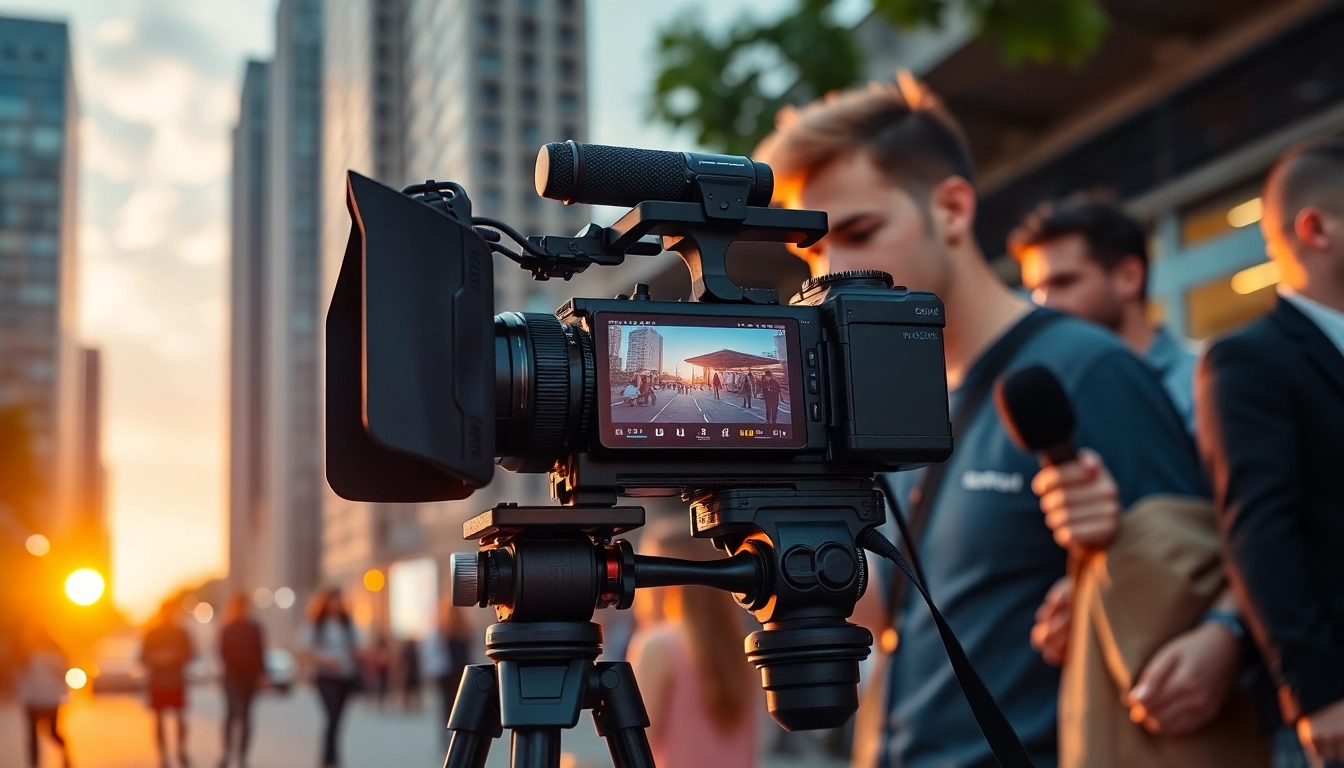

Understanding Video Production Basics
What is Video Production?
Video production encompasses the entire process of creating video content, from initial concept development to the final edit. It combines creative and technical skills to convey stories effectively through visual and auditory means. In today’s digital landscape, the importance of Video Production has escalated, largely due to the proliferation of digital platforms where video content is consumed, be it for entertainment, education, or marketing purposes.
Key Stages of Video Production
The stages of video production generally can be broken down into three main phases: pre-production, production, and post-production. Each of these stages plays a crucial role in ensuring that the final product meets the desired goals and resonates with the target audience.
- Pre-Production: This stage deals with the planning of the entire video project. It includes scriptwriting, storyboarding, budgeting, scheduling, and casting talent.
- Production: This is the phase where the actual filming occurs. It involves directing, capturing footage, and capturing audio. This stage requires seamless collaboration between various crew members to bring the initial vision to life.
- Post-Production: After filming concludes, the footage moves into post-production. This stage includes editing, sound design, color correction, and adding visual effects, culminating in a polished final product ready for distribution.
Common Video Production Terminology
Familiarity with industry-specific terms is essential for effective communication within any production team. Here are a few commonly used terms:
- Shot: A continuous sequence of frames captured without interruption.
- Cut: A transition from one shot to another.
- Aspect Ratio: The ratio of the width to the height of a video or image, important for viewing formats.
- Storyboard: A visual representation outlining each scene to set the direction of the video.
Essential Equipment for Video Production
Cameras and Lenses Selection
Choosing the right camera and lenses is pivotal for achieving the desired aesthetics in video production. Cameras vary widely in capabilities, and the choice largely depends on the project’s specific requirements, such as resolution, low-light performance, and frame rates. DSLRs, mirrorless cameras, and camcorders are popular options. Additionally, lenses play an interchangeable role, influencing the depth of field and perspective in the video. Factors to consider include:
- Focal Length: Determines how ‘zoomed in’ or ‘zoomed out’ a shot appears, affecting composition.
- Aperture: Impacts the exposure and depth of field.
- Stabilization: Essential for smooth footage, especially in handheld shots.
Sound Equipment and Accessories
High-quality audio is as crucial as the visual component in video production. Poor audio can detract from even the best visuals, so investing in quality sound equipment is imperative. Common audio equipment includes:
- Microphones: Various types, including lavalier, shotgun, and handheld mics, are tailored for different shooting environments.
- Audio Recorders: Standalone devices provide higher fidelity than built-in camera microphones, ideal for dialogue-heavy content.
- Windshields: Essential for outdoor shoots to minimize wind noise, ensuring clear audio capture.
Lighting Tools for Effective Production
Lighting is a critical aspect that can dramatically influence the mood and quality of video production. Proper lighting can enhance texture and depth in the frame, while poor lighting can create unflattering shadows or overly bright highlights. Consider the following lighting tools:
- Key Lights: The main light source for illuminating the subject.
- Fill Lights: Used to soften shadows created by key lights.
- Backlights: Help to separate the subject from the background, adding depth.
Creating a Compelling Video Production Plan
Defining Your Target Audience
Understanding your target audience is foundational in creating relevant video content. To effectively communicate your message, consider the demographics, interests, and viewing habits of your audience. Tailoring your content to resonate with your audience not only retains their attention but also promotes sharing, enhancing reach and engagement.
Storyboarding and Script Writing
Storyboarding and script writing breathe life into your video project. A storyboard provides a visual plan of how each scene will unfold, linking visuals to the narrative. Crafting a compelling script is equally important, ensuring the dialogue is natural and engaging. This stage sets the groundwork for a structured production and smoother filming days.
Budgeting and Scheduling Your Production
Budgeting is an essential part of the planning process, influencing all decisions from equipment rental to crew hiring. Outline a detailed budget to accommodate all anticipated costs. Alongside budgeting, scheduling is crucial. Establish a well-structured timeline that accounts for pre-production meetings, shooting days, and post-production edits to streamline the project and mitigate delays.
Filming Techniques to Enhance Video Production
Camera Angles and Movements
Employing diverse camera angles and movements can add dynamism to your footage. Using techniques like pans, tilts, and tracking shots can evoke emotion or draw attention to specific elements. Experimenting with angles, such as high, low, or eye-level perspectives, can also influence how viewers perceive your subject.
Directing Talent for Authenticity
The director’s role in guiding talent is essential for achieving authentic performances. Establishing rapport between the director and the talent fosters a comfortable environment, encouraging natural expressions and reactions. Techniques such as rehearsals and open communication can empower talent to deliver compelling performances.
Utilizing Natural Light
Natural light can enhance the quality of your video production, providing a soft, flattering illumination. Filming during the “golden hour,” shortly after sunrise or before sunset, lends a warm glow that can elevate any outdoor scene. However, understanding how to control and manipulate natural light, like using reflectors or diffusers, maximizes its potential.
Post-Production Tips for Effective Video Production
Editing Software Overview
Choosing the right editing software is pivotal for streamlining the post-production phase. Popular options include Adobe Premiere Pro, Final Cut Pro, and DaVinci Resolve, each offering unique features tailored for varying skill levels and project requirements. Familiarity with editing tools enables creators to showcase their vision effectively.
Adding Effects and Sound Design
Incorporating effects and a robust sound design can transform average video footage into exceptional content. Visual effects, transitions, and text overlays enhance storytelling, while sound design – including background music, sound effects, and dialogue enhancement – greatly impacts viewer experience. Balance is key: while effects should enhance, they shouldn’t overshadow the core content.
Distributing Your Finished Product
Distribution is the final step in the video production process and is crucial for reaching your audience. Identifying the right platforms – like YouTube, social media channels, or your own website – is essential. Consider optimizing the video for SEO with effective titles, descriptions, and tags to ensure it’s discoverable and engaging for viewers.
Frequently Asked Questions
What is the average cost of video production?
The average cost of video production can vary significantly based on project complexity. Simple projects may start around a few thousand dollars, while larger productions can reach tens of thousands. Always budget according to your specific needs.
How long does it take to produce a video?
Video production timelines depend on the project’s scope. Simple videos can take a few days, while complex projects may require several weeks or months, including pre-production, shooting, and post-production phases.
What equipment is necessary for beginners?
Beginners can start with basic equipment such as a quality camera (DSLR or mirrorless), a tripod, and an external microphone. Investing in basic lighting can also enhance video quality significantly.
How important is video editing?
Video editing is crucial for creating a cohesive narrative and enhancing overall production quality. It allows you to refine footage, add effects, and improve audio, significantly impacting viewer engagement.
Is it better to hire professionals or DIY video production?
Hiring professionals can provide expertise and high-quality outcomes, but DIY approaches can be suitable for smaller projects or tighter budgets. Assess your skill level and the project’s complexity when making this decision.