
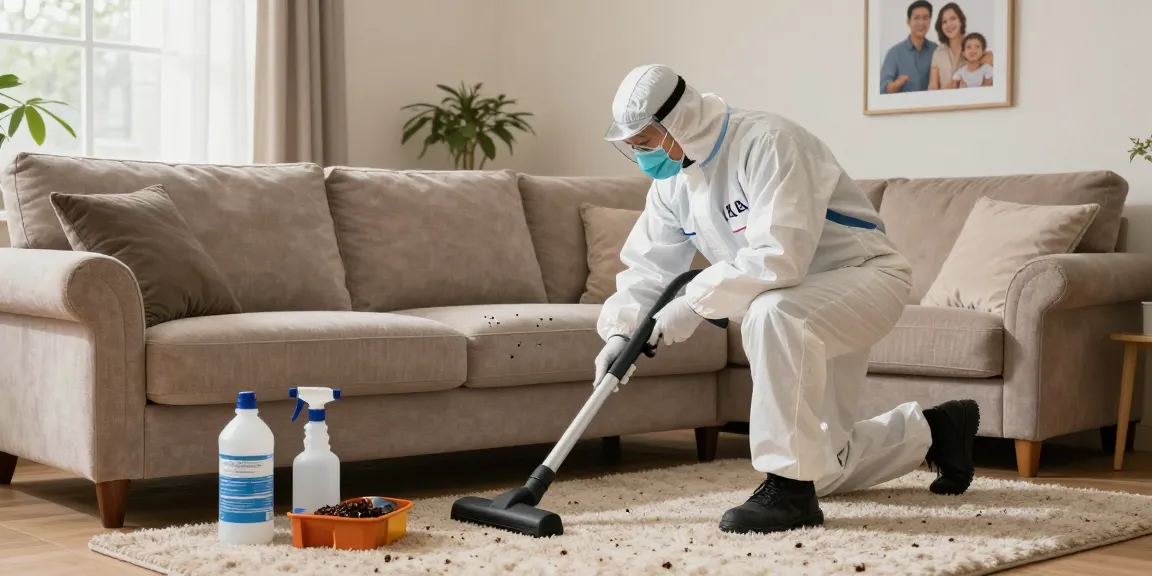

Understanding Bed Bugs and Their Impact
Bed bugs are a growing concern for many homeowners, particularly in densely populated areas like Milwaukee. These tiny pests can disrupt your peace of mind and lead to sleepless nights. Recognizing their presence early on can be crucial in preventing an infestation from escalating. Knowing what bed bugs are, where they hide, and understanding their behavior can empower you to take action quickly.
What are Bed Bugs and Where Do They Live?
Bed bugs, scientifically known as Cimex lectularius, are small, brownish insects that feed on the blood of humans and animals. They are typically about the size of an apple seed, making them easy to overlook. Bed bugs thrive in warm environments and are often found in places where people sleep or rest, such as:
- Mattresses
- Box springs
- Bed frames
- Couches and chairs
- Cracks and crevices in walls
Due to their ability to travel easily, bed bugs can latch onto luggage, clothing, and furniture, leading to their spread from one location to another. This adaptability makes them a significant threat, particularly in urban settings.
Common Signs of Bed Bug Infestation
Identifying a bed bug infestation early is vital for effective treatment. Here are a few common signs that may indicate their presence:
- Itchy bites: Often appearing in clusters or lines, these bites can lead to red, itchy welts on the skin.
- Blood stains: Small blood spots on your sheets or mattress may result from crushed bed bugs.
- Dark spots: Look for small, dark spots that are bed bug droppings, often found on bedding or nearby surfaces.
- Eggs and shells: Bed bug eggs are tiny and white, while shells may be found after they have molted.
Health Risks Associated with Bed Bugs
While bed bugs are not known to transmit diseases, their bites can cause various health issues. Many people will experience allergic reactions to bed bug bites, leading to itchiness and discomfort. In severe cases, excessive scratching can result in secondary infections. Stress and anxiety are common psychological effects, as the fear of bed bugs can disrupt sleep and everyday life. Protecting your home from these pests is essential to safeguard both your physical and mental well-being.
Choosing the Right Bed Bug Exterminator
When dealing with a bed bug infestation, engaging a professional bed bug exterminator is often the most effective route. Selecting the right exterminator involves careful consideration to ensure you receive the best service for your specific needs.
Criteria for Selecting a Professional Exterminator
Choosing a professional pest control service requires looking for specific qualifications and traits:
- Experience: Review how long the company has been in business and their track record with bed bug treatments.
- Certifications: Ensure the exterminators are certified and follow local and state regulations regarding pest control.
- Methods Used: Ask about the treatments they offer, including heat treatments and chemical sprays, ensuring they use safe and effective methods.
- Customer Reviews: Look for testimonials or reviews from previous clients to gauge satisfaction levels.
Questions to Ask Before Hiring
Before finalizing your decision, consider asking potential exterminators the following questions:
- What type of treatments do you specialize in for bed bugs?
- Can you provide an estimate of the total cost before beginning treatments?
- How do you ensure that the bed bugs are fully eradicated?
- What steps do you recommend for preventing re-infestation?
Understanding Pricing and Cost Structures
Pricing for bed bug extermination can vary significantly based on several factors, including the extent of the infestation, the treatment method chosen, and the size of your space. While it may be tempting to go for the cheapest option, remember that quality and effectiveness should be your primary concern. Many exterminators offer free consultations, allowing you to discuss your needs and budget before committing to a service.
Popular Bed Bug Treatment Options
Once you’ve hired an exterminator, it’s essential to understand the treatment options available to you. The right approach can make all the difference in eradicating these pests effectively.
Overview of Heat Treatment Methods
Heat treatment is one of the most effective methods for killing bed bugs at all life stages. This approach involves raising the temperature of your home to levels that are lethal to bed bugs—typically around 120°F (49°C). The process has several advantages:
- It is environmentally friendly and leaves no chemical residues.
- Heat can penetrate areas that are hard to treat with chemicals.
- It also eliminates other allergens, such as dust mites.
Exploring Chemical Spray Treatments
Chemical treatments involve applying insecticides to the affected areas to create a residual barrier that helps prevent re-infestation. Many modern products are safe for residential use and are designed to target bed bugs effectively. These treatments often last for several months, ensuring ongoing protection.
Combination Approaches for Effective Results
Some exterminators recommend a combination of heat and chemical treatments for the best results. This method leverages the strengths of both approaches, providing immediate relief while ensuring long-term protection. Always discuss these options with your pest control specialist to determine the best course of action for your situation.
What to Expect During Bed Bug Extermination
The extermination process can vary based on the treatment method, but there are common steps involved that you can expect.
The Extermination Process: Step-by-Step
While specifics may vary, a typical bed bug extermination process includes the following stages:
- Initial Inspection: A thorough inspection to identify problem areas and extent of the infestation.
- Treatment Plan: Development of a customized treatment plan based on the inspection findings.
- Application: The chosen treatment method is applied, whether through heat, chemicals, or both.
- Follow-up: Scheduling follow-up visits to ensure the effectiveness of the treatment and address any remaining issues.
Preparation Tips for Homeowners
Homeowners play an essential role in the success of bed bug treatments. Here are some preparation tips:
- Clear the area around your bed and furniture to allow access for the exterminators.
- Wash bedding and clothing in hot water prior to treatment.
- Vacuum thoroughly to remove any visible bed bugs and their eggs.
Post-Treatment: What to Look Out For
After the treatment, it’s important to monitor your home for any signs of returning bed bugs. Look for:
- New bites on your skin
- Fresh blood spots on bedding
- Evidence of bed bug feces on surfaces
If you notice any concerning signs, reach out to your exterminator promptly for assistance.
Preventing Future Bed Bug Infestations
Once you’ve eradicated bed bugs from your home, your next priority should be preventing future infestations. Regular practices can help keep your home bed bug-free.
Regular Monitoring and Inspection Practices
Conducting regular inspections in your home can help catch any signs of bed bugs early. Check your mattress seams, bedding, and common hiding spots routinely. If you travel frequently, be especially vigilant upon your return, inspecting luggage and clothing for any hitchhikers.
Travel Tips to Avoid Bed Bugs
Bed bugs are notorious hitchhikers, often attaching themselves to luggage during travel. Here are some tips to prevent bringing them home:
- Inspect your hotel room for signs of bed bugs before unpacking.
- Keep your luggage elevated off the floor on luggage racks.
- Store clothing in sealed plastic bags while traveling.
Long-Term Solutions and Maintenance
In addition to inspections, consider using protective covers for mattresses and box springs. These encasements can help trap any existing bugs and prevent new infestations from occurring.
Is an exterminator worth it for bed bugs?
Investing in a professional exterminator is generally worth the expense, especially when compared to the potential costs associated with a widespread infestation. The combination of knowledge, experience, and tools they bring typically results in a more effective solution.
Can an exterminator completely get rid of bed bugs?
With the proper methods and follow-up care, most exterminators can completely eliminate bed bug infestations. However, success also depends on the homeowner’s cooperation and diligence during and after the treatment process.
How often should I schedule an inspection?
It’s advisable to schedule professional inspections at least once a year or sooner if you notice warning signs of bed bugs. Regular inspections can help catch any problems before they escalate.
What are the costs associated with bed bug treatments?
The costs of bed bug treatments can vary based on the size of the infestation and the treatment methods used. On average, treatments may range from a few hundred to over a thousand dollars, depending on the severity of the infestation and the treatment plan selected.
What DIY methods can I use for bed bug prevention?
While DIY methods can be useful for preventative measures, they are often not effective against severe infestations. Regular vacuuming, washing bedding in hot water, and using essential oils as a repellent can help in prevention, but for established infestations, professional help is essential.