
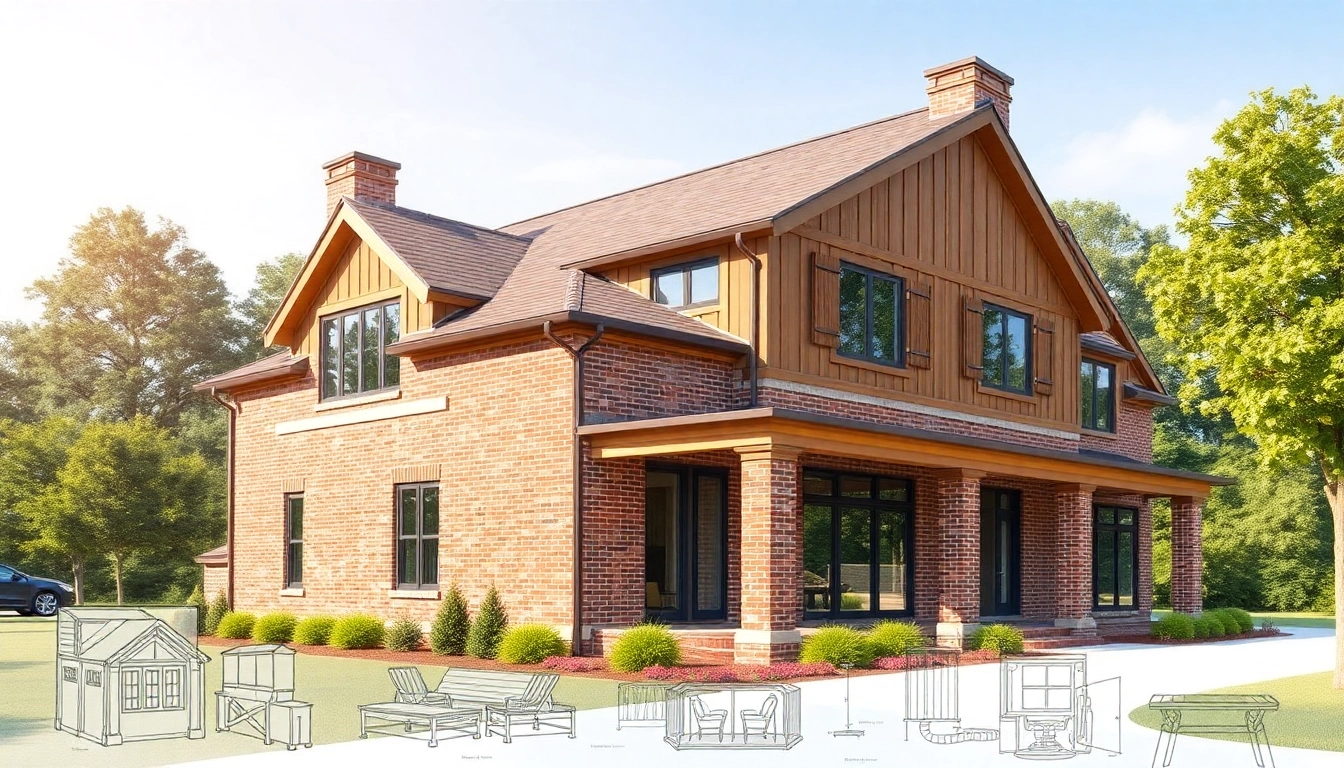

Understanding Colonial Addition Concepts
What is a Colonial Addition?
A colonial addition is an extension of a home that adheres to the architectural styles and aesthetic principles characteristic of colonial-era design. This kind of addition often features harmonious integration with the original structure, enhancing the overall functionality and livability of the home while maintaining its historic charm. Employing traditional elements such as symmetrical shapes, gabled roofs, and classic materials, a colonial addition allows homeowners to expand their living space without sacrificing architectural integrity. Whether you’re looking to add more rooms for a growing family or accommodate modern amenities, a colonial addition can offer an elegant solution.
Historical Significance of Colonial Architecture
Colonial architecture, which encompasses a variety of styles including Georgian, Federal, and Dutch Colonial, emerged during the periods of early American settlement. This architectural style is defined by its symmetry and simplistic elegance, often mirroring the social hierarchies and family structures of their time. The enduring popularity of colonial design reflects its ability to inspire a sense of nostalgia and stable community values, making colonial additions a favored choice among homeowners looking to blend new construction with historic aesthetics. Each significant era has contributed unique features, ensuring that colonial architecture remains relevant and desirable.
Benefits of Adding a Colonial-Inspired Section
Adding a colonial-inspired section to your home comes with multiple advantages. First, it enhances the existing property’s value, as colonial styles are often sought after in real estate markets. Second, it provides practical benefits, allowing for larger living spaces tailored to modern needs while retaining a connection to historical roots. Third, it complements the aesthetic appeal of your neighborhood, creating cohesive streetscapes that attract potential buyers. Furthermore, colonial additions can serve functional purposes, such as providing an office space, guest suite, or family room, thus enhancing how your household engages with the living environment.
Planning Your Colonial Addition
Key Considerations Before Starting
Planning a colonial addition requires careful consideration of several factors to ensure a successful integration with your existing structure. Begin with assessing your current space, determining the intended use of the addition, and understanding local zoning laws that may impact your plans. It’s also essential to establish a realistic budget, taking into account design, materials, and labor costs. Another critical consideration is choosing the right time to build, as factors such as the season and your lifestyle can influence the construction process. Engaging learning opportunities or workshops on home renovations can provide valuable insights.
Choosing the Right Materials for Authenticity
Authenticity is key when constructing a colonial addition, and selecting the right materials plays a crucial role. Traditional colonial homes often utilized brick, wood clapboard, and shingles, so sourcing authentic or replica materials can preserve the historical integrity of the design. Ensure that the colors and textures align with the original structure to create a seamless appearance. Utilizing local materials can also enhance the sustainability of your project, while skilled craftspeople trained in traditional methods can help maintain the authenticity of the workmanship.
Working with Architectural Regulations
Before embarking on your colonial addition, it’s vital to familiarize yourself with local building codes and regulations. Most municipalities have specific guidelines regarding structural changes, historical preservation, and zoning. Engaging with a knowledgeable architect who understands these regulations is crucial to avoid costly delays. Additionally, obtaining the necessary permits can ensure that your addition meets safety standards and aligns with the neighborhood’s historical character. Collaborating with local historic preservation societies may also yield helpful guidelines and resources.
Design Features of a Colonial Addition
Essential Architectural Elements
When designing a colonial addition, certain architectural elements are vital to creating a cohesive look. Symmetry is a defining feature, so placing windows and doors in a balanced arrangement is crucial. Gabled roofs, dormers, and classic porch designs add depth and style to your extension. Additionally, integrating shutters, decorative moldings, and period-appropriate details can enhance the colonial charm. Ensuring that these elements mirror your existing home will lead to a harmonious transition between old and new structures.
Color Schemes and Interior Design Inspirations
Color schemes play an essential role in the overall design of your colonial addition. Traditional colonial homes often feature muted palettes consisting of whites, creams, and earth tones. These colors not only highlight architectural features but also enhance the warm, inviting nature of colonial design. Inside, consider incorporating patterned wallpapers, hardwood flooring, and antique furnishings that reflect the historical period while ensuring comfort and functionality. The interior design should evoke a sense of timeless elegance while accommodating contemporary living standards.
Integrating Modern Amenities with Tradition
While the aesthetic of a colonial addition draws heavily from historical designs, integrating modern amenities is essential for contemporary living. Implementing energy-efficient windows, smart home technologies, and updated plumbing can significantly improve the functionality of the addition without detracting from its classic appeal. Plumbing fixtures, kitchen appliances, and heating systems can be chosen with both form and function in mind. Balancing modern needs with historical charm creates an inviting yet efficient living space, allowing for a comfortable lifestyle in a beautiful setting.
Construction Process for Colonial Additions
Steps Involved in Building Your Addition
The construction process for a colonial addition typically follows several stages. Begin with detailed planning and architectural design, ensuring that your vision aligns with local regulations. Following design approval, the excavation and foundation work takes place, often requiring experienced contractors. This is followed by framing the structure, installing roofing, and completing exterior walls. Once the shell is established, focus shifts to interiors, including installing partitions, fixtures, and finishes. Assess progress at regular intervals to ensure alignment with your design objectives and timeline.
Hiring the Right Professionals
Choosing the right professionals is vital to successfully completing your colonial addition. Start by hiring an architect experienced in colonial designs to articulate your vision effectively. Balance this with a general contractor who has experience with historical renovations and adds value through quality craftsmanship. Emphasize their past project experience, ensuring they understand materials appropriate for colonial design. Regular communication and establishing a clear contract can help streamline the collaborative process and minimize miscommunication.
Unexpected Challenges and How to Overcome Them
Even the best-planned projects encounter challenges. Weather delays, unexpected structural issues, or material shortages can disrupt the construction timeline. Mitigating these risks includes building contingencies into your timeline and budget, allowing flexibility for delays. Consider having backup suppliers or alternative material options ready to circumvent shortages. Communicating regularly with your team ensures prompt decision-making and ongoing adjustments to the project as needed.
Maintaining Your Colonial Addition
Long-term Maintenance Tips
Once your colonial addition is complete, ongoing maintenance is crucial to preserve its charm and structural integrity. Regular inspections can identify potential problems early, allowing for timely repairs. Schedule annual maintenance checks to examine roof condition, gutters, and masonry for wear or damages. Establishing a routine for cleaning windows and gutters will significantly help maintain both form and function, enhancing the longevity of your addition.
Preserving Architectural Integrity
Preserving the architectural integrity of a colonial addition involves following specific maintenance and renovation practices. Using historically accurate materials and techniques for repairs ensures that the character of the addition is preserved. Avoid modern renovations that dramatically alter the original design, and instead, seek to enhance the beauty and functionality of your space harmoniously. Collaborating with preservation specialists can provide insights about maintaining authenticity during renovation work.
Seasonal Care for Colonial Homes
Seasonal changes can have different impacts on your colonial addition, necessitating specific care tactics throughout the year. In spring and summer, inspect for wear due to sun exposure and initiate treatments as necessary. Fall should focus on cleaning gutters and preparing for winter by insulating pipes and monitoring heating systems. Winter inspections should confirm that roof and walls remain intact. Regular maintenance corresponding to the season boosts longevity and keeps the home comfortable and functional.
Frequently Asked Questions
What are the costs associated with a colonial addition?
The costs vary based on size, design complexity, materials, and labor. It’s crucial to set a realistic budget that accommodates these variables.
How long does it take to complete a colonial addition?
Completion time can range from several months to over a year, depending on design complexity and local permitting processes.
Do I need a permit for a colonial addition?
Yes, permits are often necessary for construction work. Be sure to check with local authorities for specific regulations and zoning laws.
Can I design my colonial addition myself?
While it’s feasible to create initial designs, hiring a professional ensures adherence to architectural standards and local regulations.
What materials are best for maintaining a colonial aesthetic?
Traditional materials include brick, wood siding, and stone. Selecting these ensures your addition stays true to its colonial design roots.