
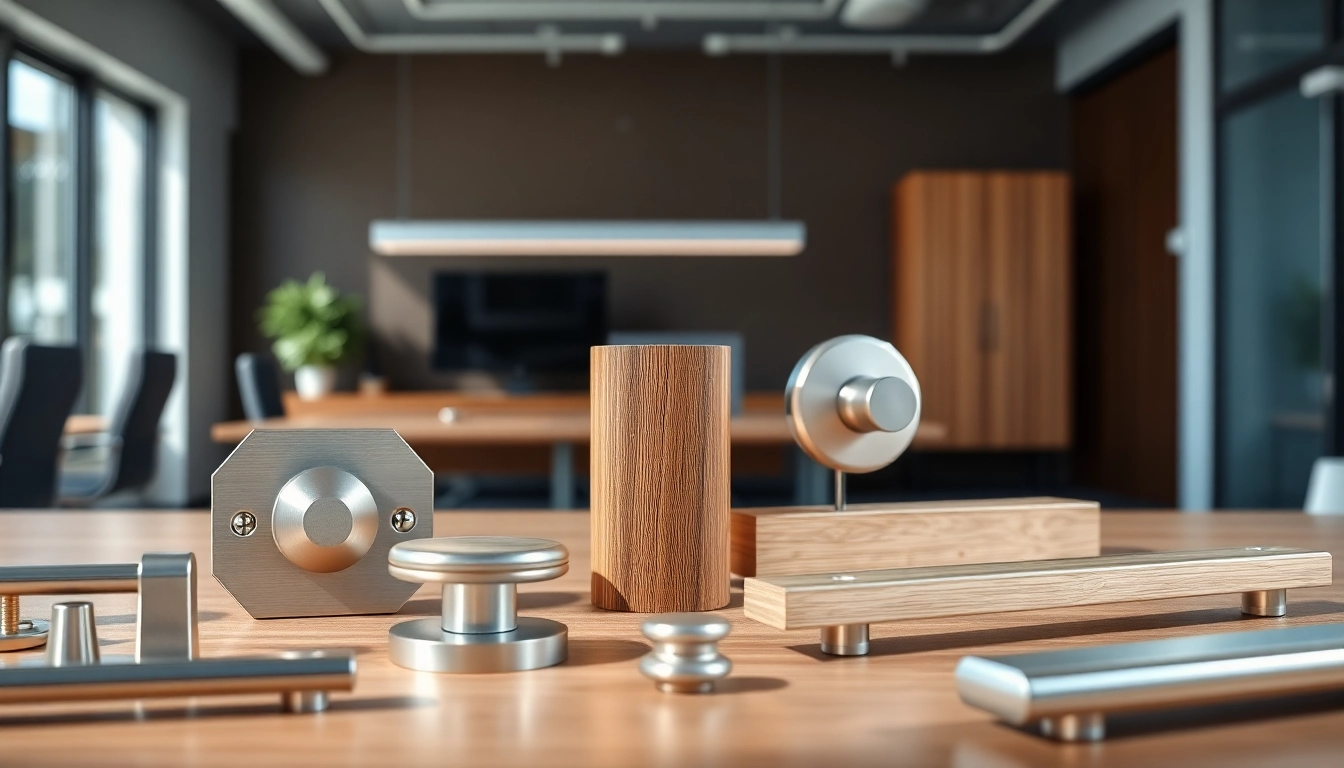

Understanding the Role of Furniture Hardware Manufacturers
In the realm of furniture design, the role of furniture hardware manufacturers cannot be overstated. These manufacturers transform raw materials into the essential components that ensure furniture functions adequately while also enhancing its visual appeal. From hinges and handles to sophisticated slide mechanisms, they offer a diverse range of hardware that perfectly complements the interiors of homes, offices, and public spaces.
Importance in Furniture Design
The significance of furniture hardware in design is multi-faceted. It is often the hardware that dictates the usability, safety, and, ultimately, the longevity of a piece of furniture. High-quality hardware can elevate a simple item into a statement piece by providing not only functionality but also enhancing aesthetic appeal. This is particularly true in high-end custom furniture, where every detail matters.
Types of Hardware Available
Furniture hardware manufacturers provide an extensive selection, such as:
- Hinges: These are vital for doors and cabinets, enabling smooth and secure opening and closing.
- Drawer Slides: Essential for smooth drawer functionality, they come in various designs, including side-mounted and under-mounted options.
- Knobs and Pulls: Available in diverse shapes, sizes, and finishes, they are crucial for the functionality and design of cabinets and drawers.
- Connectors and Fasteners: These ensure components stay securely joined, impacting overall furniture stability.
Key Features to Look for in Furniture Hardware
Material Quality and Durability
When selecting furniture hardware, the quality of materials used is a priority. Manufacturers primarily utilize metals, plastics, and wood composites. Metals like stainless steel and brass are favored for their durability and resistance to rust and corrosion, making them ideal for both indoor and outdoor applications. Conversely, materials such as plastics can provide versatility and weight savings but may lack the same longevity.
Design Versatility
Hardware should not only serve a functional purpose but also complement the furniture’s design. Manufacturers often provide a range of styles, from modern minimalist designs to intricate vintage pieces. This versatility empowers designers to integrate hardware seamlessly into various themes, enhancing overall aesthetics.
Functionality and Usage
The functionality of furniture hardware extends beyond mere usability. Modern innovations have introduced features such as soft-close mechanisms that prevent slamming, hidden hinges for a clean aesthetic, and lockable slides for added security. This blend of functionality with user-friendly designs enhances the everyday experience of using the furniture.
How Furniture Hardware Enhances Aesthetics
Color and Finish Options
Color and finish play a pivotal role in how furniture is perceived. Manufacturers offer an array of finishes such as matte, gloss, powder-coated, or even antiqued looks that can dramatically change the appearance of hardware. Such options allow for creating cohesive designs that align with specific color palettes and materials in the associated furniture.
Innovative Design Trends
The design landscape is continually evolving, and furniture hardware must stay ahead. Currently, trends like industrial finishes, mixed materials, and geometric shapes are gaining popularity. Manufacturers are responding by launching collections tailored to these trends, enabling designers to craft pieces that resonate with contemporary styles.
Combining Style with Function
The harmony between form and function is a hallmark of quality furniture design. The best hardware integrates stylish elements that operate efficiently without compromising aesthetics. For instance, a beautifully designed knob can enhance a cabinet’s look while providing an ergonomic and functional experience for users.
Choosing the Right Suppliers: What to Consider
Supplier Reputation and Reviews
When sourcing furniture hardware, choosing the right supplier is paramount. Reputation is built on factors such as quality, reliability, and customer service. Reading reviews and seeking testimonials can provide insights into a supplier’s strengths and weaknesses, guiding you toward a manufacturer that aligns with your needs.
Cost vs. Quality Analysis
Budgetary constraints often influence decisions; however, it is crucial to balance cost and quality. Opting for low-cost hardware may save money upfront but could lead to higher replacement costs down the line if issues arise. Evaluating the long-term benefits of investing in quality hardware often yields a better return on investment.
Delivery and Support Opportunities
A reliable supplier should provide timely delivery and robust customer support. Investigate the manufacturer’s logistics capabilities and after-sales service options, as these factors can significantly impact your overall satisfaction and project timelines.
Future Trends in Furniture Hardware Manufacturing
Impact of Sustainability
As awareness of environmental issues grows, sustainability is becoming a major focus for furniture hardware manufacturers. Using recycled materials, eco-friendly finishes, and sustainable manufacturing practices not only addresses consumer demand but also reflects a commitment to responsible production. Companies are actively seeking certifications and partnerships that bolster their sustainability credentials.
Technological Innovations
Smart technology is infiltrating every aspect of our lives, and furniture hardware is no exception. Manufacturers are now exploring smart locks, electronic lift mechanisms, and integration with home automation systems, providing added convenience and security. These advancements ultimately enhance user experience, making furniture multifunctional.
The Global Market Landscape
Globalization has transformed the furniture hardware market, enabling manufacturers to reach diverse markets worldwide. This competitive landscape fosters innovation while also leading to increased collaboration, as firms explore partnerships for research and development, which enhances product offerings and market reach.
FAQ 1: What are furniture hardware manufacturers?
Furniture hardware manufacturers produce essential components like hinges, knobs, and slides that enhance the functionality and aesthetics of furniture.
FAQ 2: How do I choose a good furniture hardware manufacturer?
Look for manufacturers with a strong reputation, high-quality materials, and positive customer reviews to ensure you get reliable hardware.
FAQ 3: Why is material quality important in furniture hardware?
High-quality materials ensure durability, resistance to wear, and longevity, making your furniture more functional and aesthetically pleasing.
FAQ 4: What trends are emerging in furniture hardware manufacturing?
Sustainability and technological innovation are key trends, with more manufacturers focusing on eco-friendly materials and smart hardware solutions.
FAQ 5: What aesthetic considerations should I keep in mind?
Consider finishes, colors, and style versatility to match your overall furniture design, ensuring that hardware complements the desired aesthetic.