
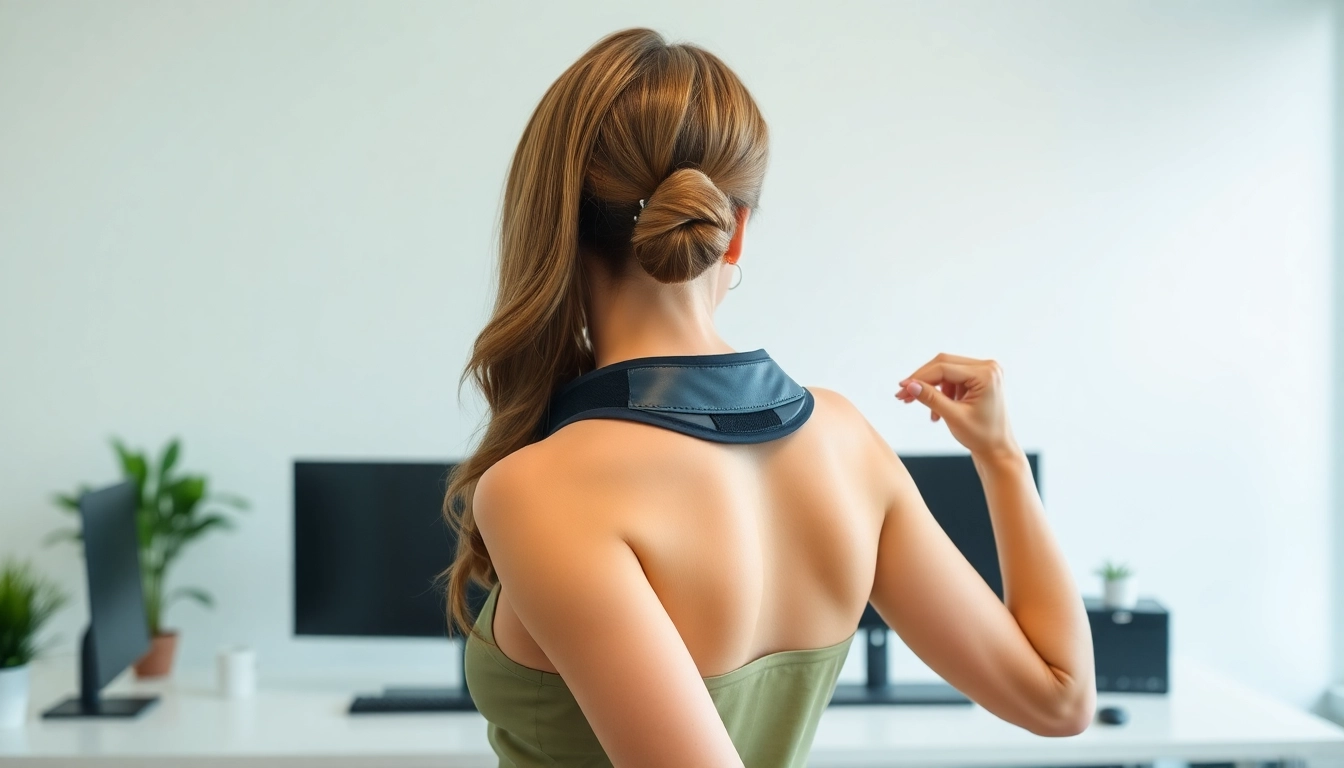

Understanding the Importance of Good Posture
Defining Posture and Its Impact on Health
Posture refers to the position of the body in various activities, such as standing, sitting, lying down, or moving. Good posture is essential as it influences multiple aspects of health, including musculoskeletal alignment, function, and overall well-being. Maintaining an optimal posture minimizes the stress on ligaments, reduces fatigue, and ensures proper function of the body’s organs. Poor posture, on the other hand, can lead to discomfort, pain, and long-term health issues.
Studies indicate that around 80% of adults experience back pain at some point in their lives, often attributed to postural misalignments. In the age of technology, with increased screen time and sedentary lifestyles, the importance of recognizing and correcting bad posture cannot be overstated.
Common Postural Issues and Symptoms
Common postural issues include forward head posture, rounded shoulders, and excessive lumbar lordosis. These deviations can stem from various factors, such as prolonged sitting, lack of physical activity, or poor ergonomics. Symptoms associated with these issues may include:
– Neck and shoulder pain: Caused by strain on muscles due to misaligned cervical spine.
– Back pain: Often a result of the spine’s unnatural curvature, leading to discomfort.
– Headaches: Tension headaches can arise from neck strain due to poor posture.
– Fatigue: Poor postural alignment can lead to excessive energy expenditure.
Recognizing these symptoms early can help prevent more severe complications, making it critical to address and correct postural problems.
Benefits of Maintaining Good Posture
Maintaining good posture has numerous advantages beyond physical health. Here are a few key benefits:
1. Reduced discomfort and pain: Good posture can alleviate the stress on your muscles and joints, significantly reducing pain in the neck, back, and shoulders.
2. Improved circulation: Proper alignment allows for better blood flow, which is vital for transporting nutrients and oxygen throughout the body.
3. Enhanced breathing: Good posture opens up the chest cavity, allowing for full lung expansion, which improves oxygen intake.
4. Increased confidence: Standing tall with good posture can improve self-esteem and project confidence to others. The psychological benefits can be as potent as the physical ones.
5. Boosted performance: Whether in sports or daily tasks, optimal posture can enhance strength, endurance, and overall performance.
Recognizing these benefits reinforces the necessity of cultivating good posture habits, which can be supported through tools like a posture corrector.
What is a Posture Corrector?
Features to Look for in a Posture Corrector
Selecting the right posture corrector requires understanding key features that enhance its effectiveness. These include:
– Material: Look for breathable fabrics that provide comfort and durability. Adjustable straps allow for customized fit.
– Type of support: Some correctors target the upper back, while others provide full torso support. Choose based on your specific needs.
– Weight and design: A lightweight design is crucial for daily wear, while a compact structure allows for discreet use under clothing.
These features greatly impact how effectively a posture corrector can aid in improving overall posture.
Types of Posture Correctors Available
There are several types of posture correctors available on the market, including:
1. Shoulder braces: These focus on pulling the shoulders back, helping to alleviate rounded shoulder posture.
2. Full back braces: Providing comprehensive support, these are designed to align the entire spine and often cover the lower back too.
3. Posture shirts: These are specially designed garments that incorporate built-in support for the upper body, promoting an upright posture throughout the day.
4. Adjustable straps: Some products consist of straps that can be tightened or loosened for comfort and effectiveness, offering flexibility based on the wearer’s comfort needs.
Learning about these types can help individuals choose a posture corrector that best suits their unique circumstances.
How a Posture Corrector Works
A posture corrector works by providing support that encourages the body to maintain proper alignment. It often takes the form of adjustable straps or braces that restore the physiological curvature of the spine.
When worn consistently, the corrector activates certain muscle groups while reducing the strain on others, effectively reconditioning the muscle memory. Over time, the brain begins to “remember” the correct posture, leading to sustainable improvements even when the device is no longer in use.
This helps combat the adverse effects of prolonged sedentary behavior or poor ergonomic habits. Thus, the mechanism of action of a posture corrector is both physical and mental, reinforcing the importance of good body mechanics.
Benefits of Using a Posture Corrector
Comfort and Increased Mobility
One of the most immediate benefits of using a posture corrector is increased comfort. Many individuals report significant reductions in back and neck pain after using these devices regularly. By alleviating discomfort, individuals can engage more readily in daily activities and maintain their productivity without the distraction of pain.
Moreover, improved posture often translates to increased mobility. With reduced strain on the body’s muscles and joints, individuals find it easier to move freely and perform various tasks—enhancing overall quality of life.
Reducing Pain and Discomfort
Chronic pain, particularly in the back, neck, and shoulders, is frequently tied to postural misalignments. Using a posture corrector effectively helps redistribute stress on these areas, relieving tension and pain.
Long-term usage can lead to enhanced muscle endurance and strength, reducing reliance on the corrector over time while still maintaining healthy posture. This results in a significant transformation from discomfort to well-being.
Boosting Confidence and Appearance
Good posture is closely associated with self-perception and societal impressions. People with good posture are often perceived as more confident, approachable, and actively engaged.
By correcting slouched or hunched postures, a posture corrector can help enhance one’s appearance. An aligned posture not only improves attractiveness but also fosters a positive state of mind and boosts overall confidence.
This psychological benefit can impact myriad areas from interpersonal relationships to professional interactions, proving that the benefits of posture correction extend well beyond the physical realm.
How to Use a Posture Corrector Effectively
Fitting Your Posture Corrector
For optimal effectiveness, it’s vital to fit your posture corrector properly. Follow these steps for a good fit:
1. Select the correct size: Refer to sizing guides provided by manufacturers to choose correctly based on your body measurements.
2. Adjust the straps: Tighten until you feel support but not pain. The corrector should remind rather than restrict movement.
3. Wear it over clothing: This ensures comfort and allows for easier adjustment without skin irritation.
Fitting correctly can enhance adherence and ultimately lead to more significant benefits from using a posture corrector.
Integrating It into Daily Routines
Incorporating a posture corrector into daily routines can be made easier with some strategies:
1. Set reminders: Use phone alarms at intervals throughout the day to check your posture and ensure the corrector is worn.
2. Combine with exercises: Engage in core-strengthening exercises while wearing the corrector to boost effectiveness.
3. Wear during specific activities: Start by using it during sedentary activities, such as sitting at a desk. Gradually increase usage as comfort grows.
4. Pair with a holistic approach: Integrating it with consistent stretching and ergonomic assessments can yield better postural outcomes.
Building this into your daily routine is key to reaping the benefits effectively.
Common Mistakes to Avoid
While using a posture corrector can be beneficial, there are common pitfalls to avoid:
1. Wearing it too long: Over-dependence can weaken core muscles. Aim for 30 minutes to several hours a day, gradually increasing use.
2. Improper adjustment: Failing to adjust the corrector can lead to discomfort. Regularly check and adjust for comfort and support.
3. Considering it a sole solution: The posture corrector is one tool in a comprehensive approach. Combine it with good ergonomic practices and exercise.
By avoiding these mistakes, you can ensure that the use of a posture corrector is both safe and effective.
Evaluating the Progress and Adjustments
Sign of Improvement with Regular Use
Tracking progress is essential to maintaining motivation while using a posture corrector. Signs of improvement may include:
– Reduced discomfort: Noticeable decreases in lower back and neck pain can indicate positive changes.
– Better alignment: Take before-and-after assessments using photos or mirrors to observe physical changes in posture.
– Increased endurance: Being able to wear the corrector for extended periods without discomfort reflects improved muscle strength.
If these signs are present, continue implementing the posture corrector as part of your health regimen.
When to Consult a Professional
While posture correctors can have significant benefits, some situations may warrant professional consultation:
1. Persistent pain: If discomfort continues despite using a corrector, it’s wise to seek medical advice to rule out underlying issues.
2. Severe postural deviations: For significant alignment problems, working with a physical therapist or chiropractor can provide tailored interventions.
3. Worsening symptoms: If symptoms intensify with use, discontinuation and professional evaluation should be prioritized.
Recognizing when to seek help is crucial for long-term well-being.
Variability in Individual Experiences
It’s important to note that individual experiences with posture correctors can vary widely. Factors influencing effectiveness include:
– Body type and size: A corrector that works for one individual may not suit another.
– Duration and method of use: Everyone’s response to correction differs; hence results may take time.
– Lifestyle variables: Factors such as stress levels and activity engagements can impact progress.
Understanding this variability can mitigate frustrations and encourage a personalized approach to posture correction.
Frequently Asked Questions
1. How long should I wear a posture corrector daily?
Start with 30 minutes to an hour daily, gradually increasing the time as your body adjusts, without over-relying on it.
2. Can a posture corrector cure my back pain?
While a posture corrector can alleviate discomfort, it’s not a cure. It’s essential to combine it with exercise and ergonomic practices.
3. Are posture correctors uncomfortable to wear?
Comfort varies by model; choose a breathable material and ensure a proper fit to minimize discomfort.
4. Should I be using a posture corrector while exercising?
Incorporating a corrector during specific exercises may enhance form, but it’s best to strengthen core muscles through other exercises.
5. Can children use a posture corrector?
Yes, children can benefit, but it should be age-appropriate and used under guidance to ensure proper support during development.