
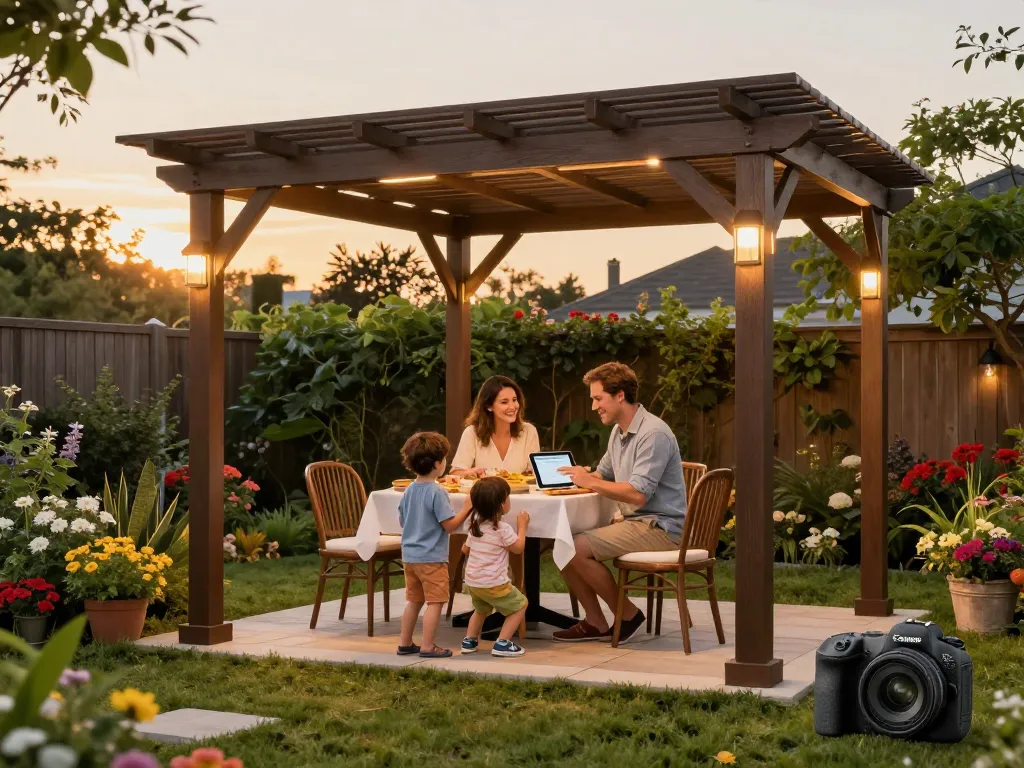

Understanding the Pergola Configurator
In today’s outdoor living design landscape, the pergola configurator stands as a transformative tool for homeowners and designers alike. This innovative software allows users to visualize and customize their outdoor structures, ensuring that every detail reflects their personal style and functional requirements. Whether you are looking to create a serene backyard retreat or a stylish entertaining area, a configurator can make the design process more accessible and enjoyable.
What is a Pergola Configurator?
A pergola configurator is a digital tool that enables users to design and simulate their own pergolas in a user-friendly interface. By inputting various specifications, users can alter dimensions, materials, colors, and features, creating a 3D representation of their intended structure. These configurators often come equipped with advanced rendering capabilities, providing a realistic view of how the pergola will look in its intended environment.
Key Features of Effective Configurators
- User-Friendly Interface: A good configurator should be easy to navigate, allowing users to make adjustments effortlessly.
- 3D Visualization: The ability to see changes in real-time makes it easier for clients to understand design implications.
- Material Selection: Users should be able to choose from a variety of materials, including wood, aluminum, and composite options.
- Customization Options: Effective configurators allow for adjustments in size, shape, color, and additional features like lighting and shading.
- Cost Estimates: Many configurators provide immediate feedback on pricing based on selected materials and designs.
Benefits of Using a Digital Pergola Configurator
The adoption of digital configurators offers numerous advantages. First and foremost, they save time by letting users visualize their ideas without physical prototypes. This results in fewer errors during installation and improved customer satisfaction as users can see and modify their designs before committing to them. Moreover, configurators can enhance communication between designers and clients, ensuring that visions align perfectly. Additionally, they can help with project scalability by allowing businesses to handle a larger volume of design requests more efficiently.
Choosing the Right Materials for Your Pergola
Choosing the right materials is crucial for creating a durable and visually appealing pergola. This decision not only affects the aesthetic of your outdoor space but also its maintenance needs and longevity. Let’s explore the most common materials used in pergola construction, helping you make informed choices according to your design vision and climate considerations.
Aluminum vs. Wood: Pros and Cons
Aluminum and wood are the two most popular materials for pergola construction, each offering distinct advantages and drawbacks:
- Aluminum:
- Pros: Lightweight, corrosion-resistant, and requires minimal maintenance. It’s available in various colors and styles, enhancing aesthetics.
- Cons: Can be more expensive upfront compared to wood, and some may find its appearance less warm than natural wood.
- Wood:
- Pros: Offers a classic, natural look and can blend seamlessly into traditional landscapes. It can be stained or painted to match other outdoor structures.
- Cons: Generally requires more maintenance, as wood is susceptible to rot, pests, and weathering.
Weather Resistance and Durability Considerations
When choosing materials, consider the local climate. For instance, areas with high moisture might favor aluminum due to its resistance to rust and rot. Meanwhile, treated wood like cedar or redwood can withstand various weather conditions when properly maintained. Regardless of the material, adequate design features such as angled roofing or durable finishes can enhance longevity and performance.
Eco-Friendly Material Options for Sustainable Design
As sustainability becomes a priority for many homeowners, opting for eco-friendly materials is increasingly popular. Reclaimed wood is a stunning choice for those seeking a rustic aesthetic while minimizing environmental impact. Similarly, composite materials, which are made from recycled plastics and wood fibers, offer durability and require less maintenance than traditional wood. Always check for certifications like FSC (Forest Stewardship Council) to ensure that materials are sourced sustainably.
Designing Your Pergola with Style
Design is where your creativity can truly shine. The pergola you create should not only serve a functional purpose but also complement your outdoor space’s aesthetic. A well-designed pergola can enhance your garden’s beauty and create a focal point that draws the eye.
Popular Pergola Styles and Architectural Trends
Today’s homeowners have access to a variety of popular styles that cater to different tastes and home aesthetics:
- Modern: Characterized by sleek lines and minimalistic design, modern pergolas often use materials like aluminum and glass.
- Traditional: These structures feature intricate woodwork and are typically more ornate, fitting well with classic architectural styles.
- Bioclimatic: This innovative style integrates adjustable louvers that allow users to control sunlight and air circulation effectively.
Customizing Colors and Finishes in the Configurator
With a pergola configurator, you can explore various options for colors and finishes. Powder-coated aluminum can mimic the look of wood while offering greater durability, whereas wood can be stained to either enhance its natural beauty or match an existing color palette. The right finish also protects the material, extending the life of your pergola.
Incorporating Technology: Lighting and Heating Options
Incorporating technology into your pergola can elevate your outdoor experience. Integrated LED lighting can enhance evening gatherings, while heating systems like infrared heaters allow for year-round use. Smart technology can automate lighting and heating, adapting to ambient conditions and personal preferences seamlessly.
Common Challenges in Pergola Customization
While the design process can be exciting, it often presents several challenges that require careful navigation. Understanding these potential pitfalls can lead to a smoother design and installation experience.
Overcoming Design Limitations in Configurators
While configurators offer a robust platform for design, they may have limitations in terms of available options or features. It’s essential to understand these constraints upfront and communicate them with your designer or builder. Choosing a configurator that offers a wide range of customization can make a significant difference in achieving your vision.
Managing Budget Constraints Effectively
Budget is a critical factor in any home improvement project. When using a pergola configurator, ensure you are aware of costs associated with different materials and features. To manage expenses effectively, prioritize elements that are essential for functionality and aesthetic appeal, and consider making compromises in less critical areas.
Understanding Installation Requirements and Support
Installation can be daunting, particularly for intricate designs. It’s advisable to consult with professionals to understand the specific requirements for your pergola. A good configurator should offer guidance on installation or recommend trusted contractors. Additionally, ensure that you have support options available, such as customer service contacts or instructional resources.
The Future of Pergola Configurators: Trends for 2026
The pergola configurator sector is poised for exciting advancements. Innovations in technology will continue to shape how these tools function, creating new possibilities for design and user engagement.
Advancements in 3D Rendering and Visualization
As technology evolves, expect significant improvements in 3D rendering and visualization within configurators. Enhanced graphics will enable users to see more accurate representations of their design choices, incorporating real-world lighting and environmental factors for a more immersive experience.
Integration with Smart Home Systems
The future will likely see a greater integration of pergola configurators with smart home technology. Users may control lighting, heating, and even automated shading through centralized home management systems, creating a seamless outdoor experience.
Emerging Design Trends to Watch for in Outdoor Spaces
Anticipate dynamic design trends that emphasize multifunctionality and sustainability. For example, biophilic design principles, which incorporate natural elements and greenery into structures, will continue to gain popularity. Additionally, demand for adaptable outdoor spaces that serve multiple purposes will drive innovation in pergola design.
How do I use a pergola configurator effectively?
To maximize the benefits of a pergola configurator, ensure that you’re clear about your design goals, budget, and any specific features you want to integrate. Experiment with different styles and materials to see what resonates best with your vision and environment.
What materials are best for durable pergolas?
Durable materials include aluminum for its longevity and resistance to weather elements, and treated wood for its classic aesthetic when handled correctly. Additionally, modern composites can offer the best of both worlds.
Can I customize my pergola design remotely?
Yes, many configurators allow remote customization, enabling you to design from the comfort of your home. This flexibility can lead to more thoughtful decisions as you explore various options.
What are the common mistakes with pergola design?
Common mistakes include underestimating the size, neglecting to consider local zoning laws, and failing to plan for practical features like lighting and heating.
What trends should I expect in outdoor living for 2026?
Look for trends focusing on eco-friendly materials, multifunctional outdoor spaces, and advanced technological integrations that enhance comfort and usability in outdoor living areas.