
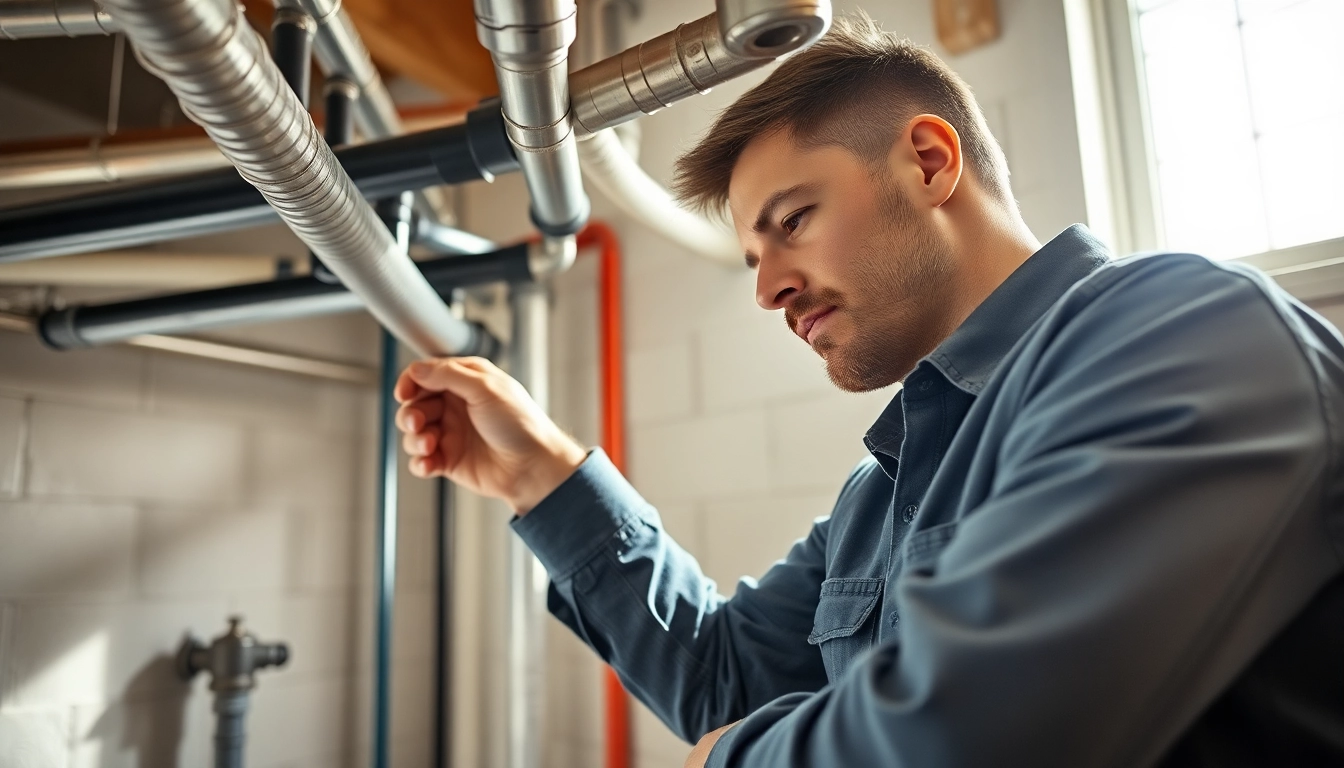

Understanding Whole House Repiping Services Tampa
What is Whole House Repiping?
Whole house repiping is an extensive yet essential plumbing service that involves replacing all the existing pipes in a home with new ones. This process is necessary when the current plumbing system becomes outdated, corroded, leaky, or inefficient. Whether your home exhibits rusting pipes, frequent leaks, or low water pressure, repiping can restore functionality and reliability to your water system. By opting for whole house repiping services Tampa, homeowners can ensure their plumbing system is robust and up to code.
Signs You Need Repiping
Knowing when it’s time for repiping can save you from more extensive damage and costly repairs in the future. Below are critical signs that indicate a need for whole house repiping:
- Frequent Leaks: If you find yourself constantly repairing leaks, it may be time for an overhaul of your plumbing.
- Low Water Pressure: Inconsistent or low water pressure often indicates pipe blockages, corrosion, or deterioration.
- Rusty Water: If your tap water appears rust-colored, it’s a sign of corrosion in your pipes, particularly if your plumbing is older.
- Unpleasant Odors: Unusual smells from your water can hint at bacterial growth or other plumbing issues.
- Discoloration of Walls and Ceilings: Water stains or discoloration could mean that your pipes are leaking behind walls.
- Old Pipe Materials: Homes built before the 1970s often used materials like galvanized steel which are prone to corrosion and require replacement.
Benefits of Whole House Repiping Services Tampa
Investing in repiping offers numerous benefits that can significantly enhance your home’s plumbing system. Some of these benefits include:
- Improved Water Quality: New pipes eliminate the risks of contaminants such as lead and rust, providing clean water for your household.
- Increased Water Pressure: Replacing old pipes leads to improved water pressure and flow, enhancing daily activities such as showering and washing dishes.
- Reduced Risk of Leaks: By replacing old, worn pipes, you minimize the risk of future leaks, which can cause water damage and mold growth.
- Higher Property Value: A new plumbing system can significantly increase your home’s market value and appeal to potential buyers.
- Peace of Mind: Knowing that your plumbing system is reliable offers comfort and reduces the stress associated with unexpected plumbing emergencies.
Choosing the Right Plumbing Service
Key Factors to Consider
Choosing a reliable plumbing service for your repiping needs involves careful consideration of several factors:
- Experience and Expertise: Look for contractors with a proven track record in whole house repiping and relevant experience in similar projects.
- Licensing and Insurance: Ensure the service provider is licensed and insured to protect your interests.
- Customer Reviews and Testimonials: Research previous customer experiences to gauge satisfaction and service quality.
- Range of Services Offered: A comprehensive plumbing service should handle everything from repairs to full repiping.
- Transparent Pricing: Ensure they provide detailed estimates that include material and labor costs without hidden fees.
Questions to Ask Potential Contractors
When interviewing potential plumbing contractors for your repiping project, consider asking the following questions:
- What is your experience with whole house repiping?
- Can you provide references from past customers?
- What types of materials do you use for repiping?
- What is the estimated timeline for completing the project?
- Do you offer warranties on your work and materials?
Verifying Credentials and Experience
Before hiring a contractor, always verify their credentials. Check their licensing status through local regulatory bodies and confirm that they carry adequate insurance. Additionally, look for professional affiliations or certifications that demonstrate a commitment to industry standards. Online platforms can also provide insights through customer reviews and ratings, further aiding your decision-making process.
The Process of Repiping Your Home
Preparing Your Home for Repiping
Preparation is crucial when it comes to whole house repiping. Here’s what to expect:
- Initial Consultation: The contractor will assess your plumbing system and discuss potential solutions.
- Plan Development: A detailed plan will be created, outlining the timeline, costs, and materials needed.
- Preparing Your Space: Homeowners may need to clear areas around access points to facilitate work.
- Temporary Water Supply Arrangements: In some cases, temporary water solutions may be necessary while repiping occurs.
Steps in the Repiping Procedure
The actual repiping process typically involves several organized steps, including:
- Shutting off Water Supply: The water supply will be turned off to begin work safely.
- Removing Old Pipes: The existing plumbing will be carefully removed, taking care to avoid damage to surrounding structures.
- Installing New Pipes: New piping materials, such as PVC, copper, or PEX, will be installed throughout the home.
- Testing: Once installation is complete, the system will be tested for leaks and water pressure.
- Final Inspection: A thorough inspection ensures everything is functioning adequately before completing the project.
Post-Installation Tips for Maintenance
After repiping is complete, maintaining your new plumbing system is essential for longevity. Consider these tips:
- Schedule regular plumbing inspections to catch any potential issues early.
- Monitor your water pressure to ensure it remains consistent.
- Avoid using chemical drain cleaners that can damage your new pipes.
- Keep an eye out for any leaks or unusual noises in your plumbing system.
- Maintain records of all work done on the plumbing system as in-depth documentation aids future repairs.
Costs Associated with Whole House Repiping
Factors Influencing Repiping Costs
The cost of whole house repiping can vary significantly, largely influenced by several factors, including:
- Size of the Home: Larger homes require more materials and labor, increasing overall costs.
- Type of Piping Material: Different materials (copper, PEX, PVC) come with various price tags due to durability and installation requirements.
- Location of the Pipes: Difficult-to-access pipe locations may increase labor costs.
- Contractor Experience: Hiring an experienced contractor may come at a premium, but their expertise can reduce the risk of issues arising during installation.
Budgeting for Plumbing Services
Creating a budget for repiping services involves understanding your home’s unique requirements. Get multiple quotes from contractors to compare pricing and insights into various service nuances. Consider setting aside a contingency fund for unexpected expenses that might arise during the process. This proactive fiscal planning can ease the financial burden associated with home repiping.
Long-Term Savings from Repiping
While the upfront costs of repiping may seem steep, the long-term savings and benefits are worthwhile. Increased efficiency leads to lower utility bills due to reduced water waste and enhanced water pressure. Additionally, avoiding emergency repair costs strengthens the case for investing in a new plumbing system, as it can save homeowners thousands in the long run through preventative measures.
FAQs about Whole House Repiping Services Tampa
How long does a whole house repiping take?
Repiping typically takes 1-3 days, depending on the home’s size and complexity.
What materials are used for repiping?
Most common materials are copper and PEX, which are durable and efficient.
Will repiping improve water quality?
Yes, repiping drastically improves water quality by removing old, corroded pipes.
Is there a warranty for repiping services?
Reputable services offer warranties that cover materials and labor for several years.
Can I stay in my home during repiping?
Usually, you can, but some disruptions may occur; it’s best to communicate with your contractor.