
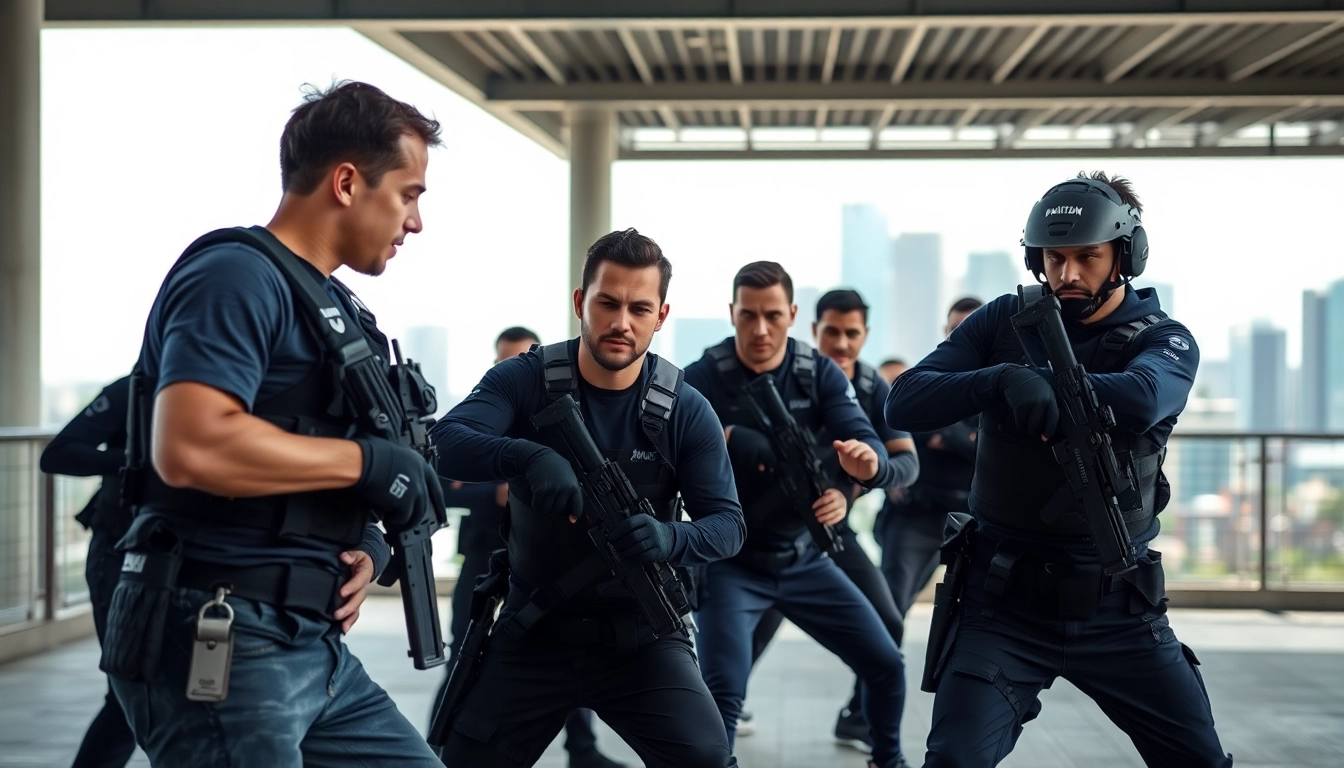

Understanding the Professional Body Guard Program
In today’s fast-paced and often unpredictable world, the role of security has never been more essential. The Professional Body Guard Program offers a comprehensive pathway for individuals looking to enter the security field with specialized skills. These programs are designed not just to teach basic self-defense but to prepare a person for the diverse challenges faced in the realm of personal protection.
What a Professional Body Guard Program Offers
A Professional Body Guard Program equips trainees with the knowledge and skills necessary to effectively mitigate risks and protect individuals from a variety of threats. The curriculum typically covers a broad spectrum of topics, from legal aspects of self-defense to practical scenarios that bodyguards might face while on duty. Participants will engage in hands-on training that builds confidence and expertise in real-world situations. Additionally, these programs emphasize communication skills, tactical planning, and threat assessment, ensuring that graduates can act decisively and effectively in stressful environments.
Key Skills Developed in Training
Enrolling in a Professional Body Guard Program allows individuals to cultivate a range of key skills vital for success in the field. Among these skills are:
- Situational Awareness: Understanding and interpreting surroundings to promptly identify potential threats.
- Risk Assessment: Evaluating possible threats and determining appropriate responses.
- Physical Defense Techniques: Training in various self-defense and combat techniques to neutralize threats effectively.
- Communication Skills: Learning to convey critical information succinctly, ensuring efficient coordination during security operations.
- Legal Knowledge: Understanding laws related to self-defense and personal protection to navigate ethical dilemmas in the field.
Importance of Professional Training in Security
Professional training in the security industry is crucial. As threats evolve and become more sophisticated, so must the tactics used by bodyguards. A well-structured training program ensures that bodyguards are not only trained in classic techniques but also in the most current methodologies. Understanding psychological aspects of aggression, negotiation techniques, and even cultural nuances can make a significant difference in high-stakes situations.
Core Components of a Professional Body Guard Program
Physical Training and Conditioning
Being a bodyguard requires more than just technical skills; physical fitness is paramount. A crucial component of any Professional Body Guard Program is physical training, which includes strength and endurance exercises, agility drills, and combat training. Physical conditioning ensures that bodyguards maintain a high level of fitness to effectively respond to emergencies or potential threats while ensuring they can manage the physical demands of their roles.
Technical Skills and Defensive Tactics
Mastering defensive tactics is a significant aspect of bodyguard training. Programs typically include various martial arts styles, hand-to-hand combat techniques, and methods for disarming threats. Additionally, training in the use of non-lethal tools, such as pepper spray or tactical flashlights, is also common. This technical skillset empowers bodyguards to respond with a level of force proportionate to the threat, prioritizing de-escalation when possible.
Crisis Management and Situational Awareness
Understanding crisis management is vital in a bodyguard’s job. Programs will often provide training on how to remain calm under pressure, make quick decisions, and effectively manage chaotic scenarios. Situational awareness is also an integral focus, teaching bodyguards to observe their environment continually and anticipate potential dangers before they escalate. This proactive approach can often prevent dangerous situations from arising in the first place.
Choosing the Right Professional Body Guard Program
Evaluating Training Providers
When selecting a Professional Body Guard Program, it is essential to evaluate potential training providers carefully. Look for certifications, accreditations, and industry reputation. A strong program should be backed by reputable instructors with significant experience in security and law enforcement. Analyzing reviews and testimonials from past students can also provide insights into the program’s effectiveness.
Assessing Course Curriculum and Structure
A well-rounded bodyguard training program should include both theoretical knowledge and practical training. Reviewing the curriculum will reveal if it covers essential topics such as emergency procedures, advanced defensive tactics, and legal issues surrounding personal security. Moreover, practical sessions should involve real-life simulations, which can significantly enhance a trainee’s preparedness for actual situations.
Understanding Certification and Credentials
Certification is an essential aspect of professional bodyguard training, providing proof of expertise and readiness to potential employers. When choosing a program, ensure it offers recognized certification upon completion. This credential can enhance job prospects, giving graduates an edge in the competitive security market. Various organizations offer accreditation, and it’s wise to assess their reputation and the value of their certifications in the industry.
Real-World Applications of Professional Body Guards
Security in High-Profile Events
One of the most visible applications of bodyguards is during high-profile events such as concerts, award shows, and political rallies. Bodyguards are employed to protect celebrities, politicians, and other influential figures from potential threats. Their training ensures that they can maneuver effectively through large crowds while remaining vigilant and prepared for any situation. The seamless integration of security measures into event planning highlights the importance of trained professionals within this context.
Corporate Security Measures
Corporate environments often necessitate the deployment of bodyguards for executive protection. Bodyguards can provide not only personal security but also serve as a deterrent to potential threats, helping to create a safe environment for employees and leadership. Properly trained bodyguards can assess security risks within corporate facilities and events, reinforcing overall safety measures and risk management strategies.
Private Client Protection Services
Individuals and families may also seek out bodyguards for personal protection due to various threats, including harassment or distrust of public spaces. Bodyguards can offer tailored security services that include safe transportation, home security assessments, and even personal escort services. These specialized roles require not just skill but sensitivity, as bodyguards must respect privacy while ensuring total safety.
Future Trends in the Professional Body Guard Program
Technological Advancements in Security
The future of bodyguard training programs will undoubtedly see greater integration of technology. Advanced tools like drones for aerial surveillance, biometric access controls, and sophisticated cybersecurity measures will become fundamental aspects of security operations. Training programs must adapt to include education on these technologies, as the role of a bodyguard evolves to incorporate these tools into their strategies for protecting clients.
The Growing Demand for Trained Body Guards
As global concerns regarding safety increase, the demand for trained bodyguards is climbing. High-profile individuals seeking to protect themselves from personal threats are significantly investing in security. Programs anticipating this growing trend can find niches in education that focus on emerging threats, ensuring they produce well-rounded professionals who can meet client demands head-on.
Adapting to Evolving Threats in Security
With an ever-changing threat landscape, bodyguard training must remain fluid and adaptable. This means constantly updating curricula to reflect new security concerns, such as cyber threats, domestic terrorism, and geopolitical risks. Programs must prioritize continuing education and training updates for existing professionals to ensure they remain relevant and proficient in their roles.
FAQs
What qualifications do I need for a Professional Body Guard Program?
No specific qualifications are required, but physical fitness and a strong sense of responsibility are essential.
How long does a Professional Body Guard Program typically take?
The duration can vary, usually ranging from a few weeks to several months, depending on the training level.
Are Professional Body Guard programs certified?
Many programs offer certification upon completion, ensuring recognized training standards in security.
Can I specialize in specific types of security?
Yes, many programs allow specialization, focusing on areas like corporate security, celebrity protection, or executive security.
What can I do after completing a Professional Body Guard Program?
You can pursue careers in personal protection, corporate security, or work with security firms specializing in bodyguard services.