
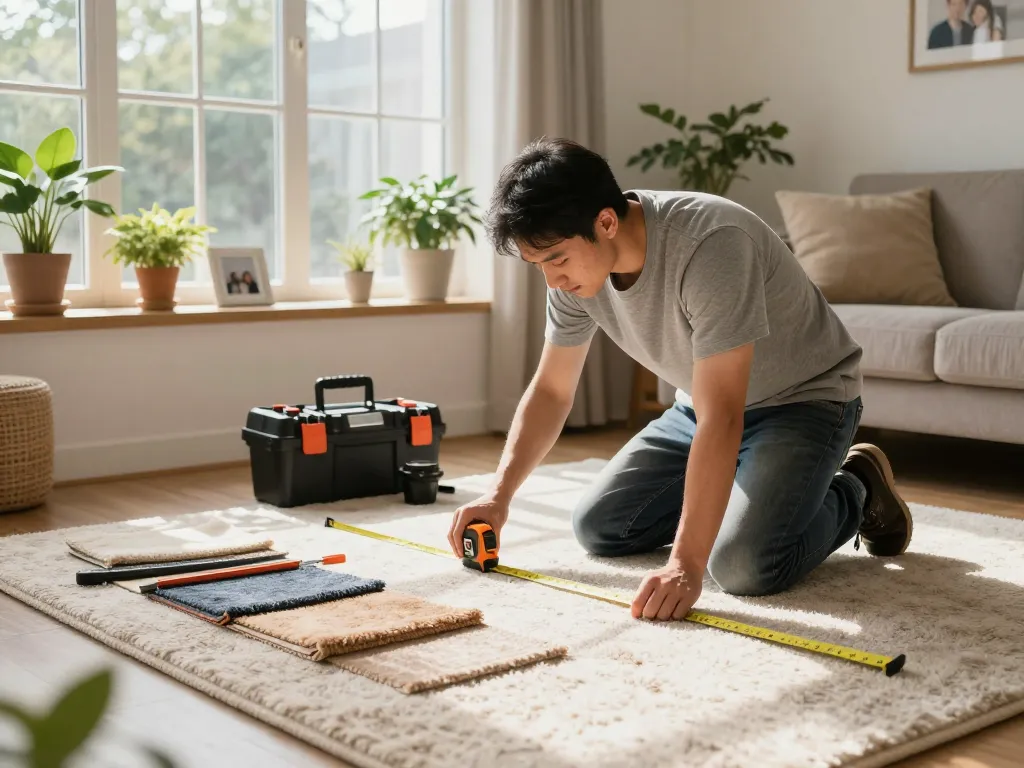

Understanding the Role of Carpet Fitters Near Me
When it comes to enhancing the aesthetics and comfort of your home, few elements carry as much weight as the flooring. One popular choice for many homeowners is carpet, which not only adds warmth and style but also improves sound insulation. However, the effectiveness of your carpet relies heavily on the quality of its installation. This is where professional carpet fitters near me come into play. They are skilled tradespeople who ensure that your carpet is fitted correctly and effectively, maximizing its longevity and comfort.
What Does a Carpet Fitter Do?
A carpet fitter is responsible for installing carpeting in residential and commercial spaces. Their tasks include measuring the area, cutting the carpet to size, and adhering it to the floor using various techniques. Fitters must also handle the underlay, ensuring it is laid properly for added comfort and durability. Additionally, they may provide advice on the best types of carpets for different environments and assist with the removal of old flooring if necessary.
The Importance of Professional Installation
Investing in professional carpet installation can save homeowners time, effort, and money in the long run. Proper installation prevents issues such as wrinkling, bunching, and improper alignment, which can lead to premature wear and tear. Moreover, experienced fitters have the tools and skills to navigate any challenges that arise during the process, ensuring a smooth installation experience.
Common Misconceptions About Carpet Fitters
Many people underestimate the skills required for carpet fitting, often believing that it is a simple task. However, this misconception can lead to poor outcomes. Carpet fitting requires an understanding of floor types, material compatibility, and proper techniques for securing the carpet. Engaging a professional ensures not only a high-quality finish but also adherence to industry standards.
Choosing the Right Carpet for Your Home
Before you can have your carpet fitted, it’s essential to choose the right type that complements your space. The selection process can be daunting, given the multitude of options available in today’s market. Understanding the different types of carpets and their suitability for various rooms can help streamline your decision-making.
Types of Carpets Available in 2026
As of 2026, the carpet market offers a diverse range of options, including:
- Berber Carpets: Known for their durability, these looped carpets are ideal for high-traffic areas.
- Cut Pile Carpets: Soft and plush, they provide comfort but may wear out more quickly than looped types.
- Textured Carpets: Featuring varied pile heights, they are effective at hiding footprints and vacuum marks.
- Shag Carpets: For a retro feel, these long-fiber carpets add warmth and a unique texture.
Factors to Consider When Selecting Carpet
When choosing carpet, consider the following factors:
- Room Function: High-traffic areas like living rooms require durable options, while bedrooms may benefit from softer textures.
- Allergies: If allergies are a concern, select carpets that are hypoallergenic and easy to clean.
- Color and Style: Choose shades that complement your existing decor while also considering maintenance.
- Budget: Set a budget that allows for quality carpets and professional installation.
How Carpet Choices Affect Installation Costs
Choosing higher-quality carpets can lead to increased installation costs, but it is often worth the investment. Most fitters charge based on the material used, the complexity of the installation, and the area size. In some cases, cheaper carpets may require more frequent replacements, thus increasing long-term costs.
Finding Reliable Carpet Fitters Near Me
With numerous carpet fitters available, it’s crucial to find a reliable service to ensure your project is completed satisfactorily. Searching for carpet fitters near me can yield a variety of options, but knowing how to evaluate them will lead to better choices.
Top Qualities to Look For in a Carpet Fitter
When selecting a carpet fitter, consider the following qualities:
- Experience: Look for someone with a proven track record in residential and commercial installations.
- Qualifications: Ensure they have the necessary training and certifications.
- References: Ask for referrals or read online reviews to gauge their reputation.
- Insurance: Verify that they carry liability insurance to protect against any accidents during installation.
How to Evaluate Reviews and Ratings
Online reviews can provide valuable insight into a fitter’s reliability. Look for consistent positive feedback on their quality of work, professionalism, and customer service. Additionally, pay attention to how they respond to negative reviews as it can reflect their commitment to customer satisfaction.
Comparing Pricing and Services
It’s essential to compare quotes from multiple fitters, but don’t just focus on the lowest price. Evaluate what each service includes, such as removal of old carpeting, furniture moving, and cleanup. A slightly higher cost may include additional services that provide better value.
The Carpet Installation Process
Understanding the installation process can help set expectations and minimize surprises. Here’s an overview of what to anticipate when hiring a carpet fitter.
Steps Involved in Carpet Fitting
The carpet fitting process generally follows these steps:
- Measurement: The fitter will take precise measurements of the area to determine how much carpet is needed.
- Preparation: This may involve removing old flooring, cleaning the subfloor, and ensuring it is level.
- Installation: The fitter will lay down the underlay before cutting and fitting the carpet into place.
- Finishing Touches: Edges will be trimmed and secured, and the carpet will be brushed to achieve an even appearance.
Tools and Equipment Used by Professionals
A skilled carpet fitter uses specialized tools, including:
- Carpet knives for cutting
- Tack strips for securing the carpet
- Stretchers to ensure tight fitting
- Adhesives for glued carpets
Common Challenges During Installation
While experienced fitters can navigate challenges, being aware of common issues can help you understand the process better:
- Uneven Floors: This can require additional preparation work to ensure a level surface.
- Mismatched Patterns: Aligning patterns can be tricky and may require additional time and material.
- Weather Conditions: Humidity and temperature can affect the installation process, making timing essential.
Maintaining Your Carpet After Installation
Once your carpet is installed, proper maintenance will help extend its lifespan and keep it looking its best. Establishing a care routine is key to preserving your investment.
Best Practices for Carpet Care
To maintain your carpet effectively, consider implementing the following practices:
- Regular Vacuuming: This helps remove dirt and debris that can damage fibers.
- Spot Cleaning: Address spills quickly using appropriate cleaning solutions to avoid staining.
- Professional Cleaning: Schedule professional deep cleaning at least once a year to remove embedded dirt and allergens.
How to Extend the Life of Your Carpet
Aside from regular cleaning, consider these additional tips:
- Use Area Rugs: Place rugs in high-traffic areas for additional protection.
- Avoid Direct Sunlight: Use curtains or blinds to reduce fading caused by sunlight.
- Rotate Furniture: Changing the position of heavy furniture can prevent indentations.
When to Call a Professional for Repairs
If you notice significant wear and tear, such as fraying, discoloration, or damage from spills that you can’t resolve, it may be time to call in a professional. They can assess the situation and offer repair or replacement options that extend the life of your carpet.
What is the average cost of carpet fitting?
As of 2026, average carpet fitting costs can range widely based on several factors, including material, area size, and location. Generally, expect to pay between £3 to £12 per square meter for fitting, excluding materials. Installation costs can also vary based on the fitter’s experience and any additional services provided.
How do I choose the right carpet for my home?
Choosing the right carpet involves considering your lifestyle, the room’s purpose, budget constraints, and the ambiance you wish to create. Take samples home before deciding, and consult with professionals for tailored advice.
What should I look for in a carpet fitting service?
Look for experience, customer reviews, and insurance coverage. A reputable fitter should also provide clear pricing and include a detailed estimate of services offered.
How long does carpet installation take?
Installation time can vary based on the project size and complexity, typically taking a few hours to a full day. Larger rooms or complicated layouts may take longer, so it’s best to discuss timelines with your chosen fitter beforehand.
Can I install carpet myself?
While DIY carpet installation is possible, it requires considerable skill and the right tools. For those unfamiliar with the equipment or installation techniques, hiring a professional is advisable to avoid costly mistakes.